














Register

Knocking the Rust Off Your IFR Skills

Instrument flying is a perishable skill. Here's how to ensure you stay fresh.

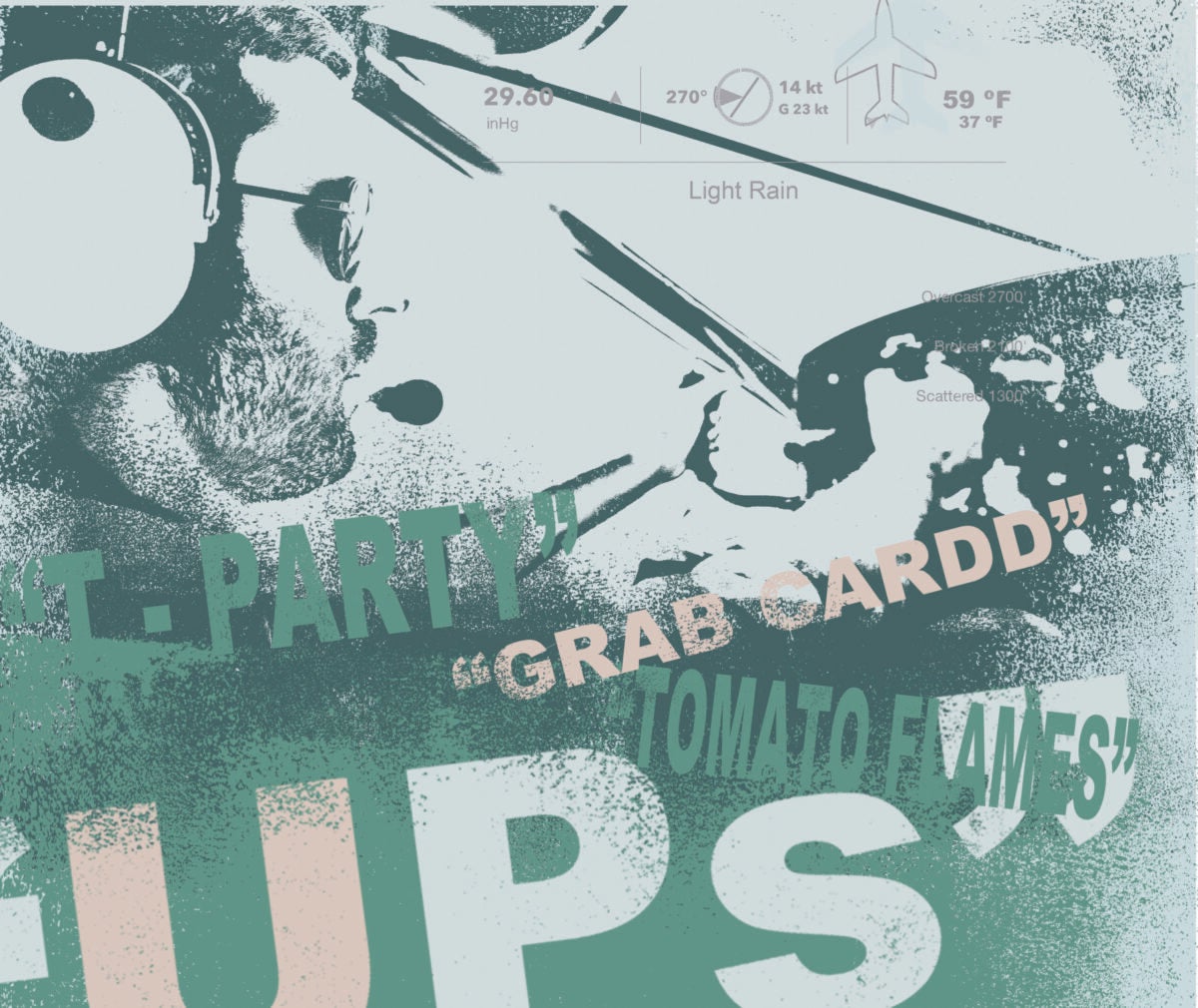
If it has been awhile since you exercised your instrument skills, you may want to take a few practice flights with an instructor before you head back into the clouds by yourself. [FLYING graphic]
Gemini Sparkle

Key Takeaways:

  • Pilots must meet FAR 61.57(c) recency requirements (6 approaches, holding, and tracking within six months, or an Instrument Proficiency Check after 12 months), which can be partially accomplished in approved flight training devices.
  • The initial "rust" for instrument pilots often manifests as a decline in mental skills, such as recalling procedures, detailed flight planning, weather interpretation, and overall confidence, rather than just physical control.
  • To regain proficiency, pilots should conduct thorough home study (e.g., FAA handbooks), review FARs, weather, and detailed IFR flight planning, use mnemonics for procedures, perform tabletop reviews with an instructor, practice instrument failures, and rebuild confidence by flying IFR procedures in VFR conditions.
See a mistake? Contact us.

Many pilots will tell you that the instrument rating is the hardest to get, and the skills learned in the process are the easiest to lose. If it has been awhile since you exercised your instrument skills, you may want to take a few practice flights with an instructor before you head back into the clouds by yourself. Here are a few tips to make the most of your time.

FAR 61.57(c) lists the experience required to exercise pilot-in-command privileges in IFR conditions. In addition to meeting the recency requirements for VFR flight, the pilot must have, within the preceding six calendar months, performed and logged at least six instrument approaches, holding procedures, and intercepting and tracking courses through the use of electronic navigational systems. The tasks can be accomplished in actual weather or under simulated conditions using a view-limiting device. If it’s been within the 12 months since your initial instrument rating, you also have the six-month window to maintain currency on your own if you haven’t flown the required tasks in those first six months. Go beyond that, and you will require an instrument proficiency check (IPC) with a CFII.


Meg Godlewski

Meg Godlewski has been an aviation journalist for more than 24 years and a CFI for more than 20 years. If she is not flying or teaching aviation, she is writing about it. Meg is a founding member of the Pilot Proficiency Center at EAA AirVenture and excels at the application of simulation technology to flatten the learning curve. Follow Meg on Twitter @2Lewski.

Ready to Sell Your Aircraft?

List your airplane on AircraftForSale.com and reach qualified buyers.

List Your Aircraft
AircraftForSale Logo | FLYING Logo
Pilot in aircraft
Sign-up for newsletters & special offers!

Get the latest stories & special offers delivered directly to your inbox.

SUBSCRIBE
