













Register

<i>FLYING</i> Classics: B-1B’s Legacy of Mission Flexibility

The B-1B Lancer's roles have included nuclear deterrence and close-air support.

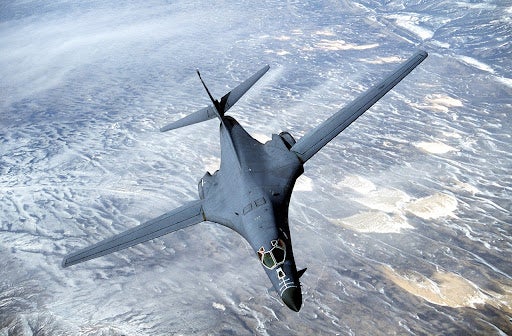
A B-1B with wings swept full forward. [Courtesy: USAF]
Gemini Sparkle

Key Takeaways:

  • The B-1 bomber project faced early challenges, with the initial B-1A program being canceled by President Carter in 1977 due to rising costs and new missile technology.
  • Reinstated as the B-1B under President Reagan, it initially served as a high-speed, low-altitude nuclear deterrent, but transitioned to a conventional precision bomber after the Cold War, seeing extensive combat use in various conflicts.
  • Despite its versatility and combat record, the B-1B fleet is being phased out due to structural fatigue from demanding conventional missions and to modernize the bomber force with the B-21 Raider, ironically retiring before the older B-52 it was intended to replace.
See a mistake? Contact us.

In 1964, the U.S. Air Force (USAF) sought a new bomber that could fly at supersonic speeds at high altitude and at high subsonic speeds at low altitude. However, then Secretary of Defense Robert McNamara found crewed bombers unnecessary as a nuclear deterrent. Moreover, the Vietnam War was ramping up, so McNamara limited the bomber project to studies and component development. 

With a widening war, the strategic, fast, high-flying bomber project stalled in the 1960s, while the B-52—which excelled in a low-altitude role—remained relevant on bombing missions in Vietnam.


Ready to Sell Your Aircraft?

List your airplane on AircraftForSale.com and reach qualified buyers.

List Your Aircraft
AircraftForSale Logo | FLYING Logo
Pilot in aircraft
Sign-up for newsletters & special offers!

Get the latest stories & special offers delivered directly to your inbox.

SUBSCRIBE