














Register

Why Would Fire Extinguishers Be Required for Engine Starts?

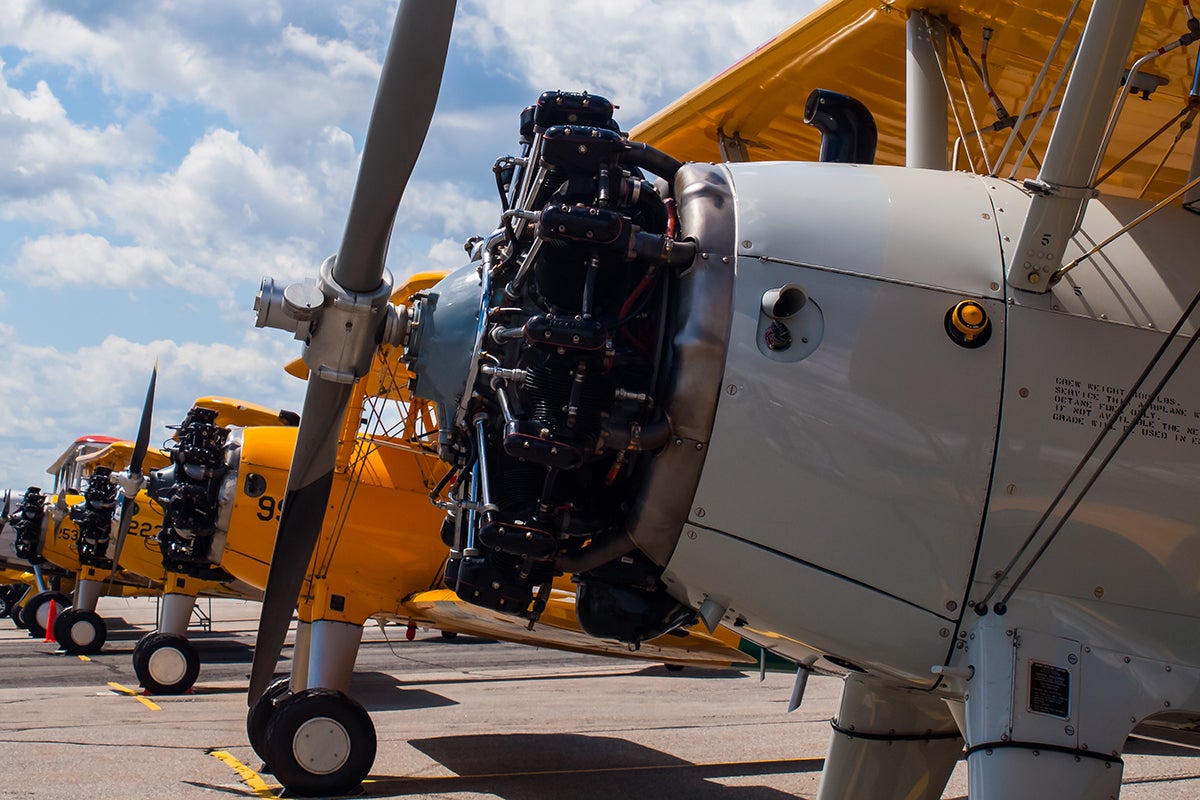
Big piston radial engines from the 1940s, ‘50s—and through today—require careful attention during startup.

When radial engines fell out of use with changes in technology, the external fire extinguisher and the person operating it also fell out of use. [Shutterstock]
Gemini Sparkle

Key Takeaways:

  • In the 1940s and 1950s, ground crews stood by with large, wheeled fire extinguishers during aircraft engine starts primarily because piston radial engines were prone to specific fire risks.
  • These risks included fires from oil pooling in the lower cylinders of radial engines and induction fires or backfires caused by over-priming during the complex startup procedure.
  • The practice of having fire extinguishers on standby ceased when radial engines fell out of use as aircraft technology advanced and newer engine types became the norm.
See a mistake? Contact us.

Q: When I was a passenger in the 1940s and early 1950s, there would be a guy standing near each engine when starting up, holding what seemed to be the nozzle of a good-sized fire extinguisher on wheels. I’ve always wondered if it was really needed and when and why was this ultimately deemed unnecessary?

A: In the 1940s and 1950s, piston radial engines were the norm on aircraft—for both general aviation and commercial operations. Because of the design, oil has a tendency to pool in the lower cylinders of these engines. Usually, this creates a puff of blue smoke during engine start—but if there is too much oil, there is a chance of fire.

That was just part of the challenge. Starting a radial powerplant requires the engine to be primed, and that takes some skill.


Meg Godlewski

Meg Godlewski has been an aviation journalist for more than 24 years and a CFI for more than 20 years. If she is not flying or teaching aviation, she is writing about it. Meg is a founding member of the Pilot Proficiency Center at EAA AirVenture and excels at the application of simulation technology to flatten the learning curve. Follow Meg on Twitter @2Lewski.

Ready to Sell Your Aircraft?

List your airplane on AircraftForSale.com and reach qualified buyers.

List Your Aircraft
AircraftForSale Logo | FLYING Logo
Pilot in aircraft
Sign-up for newsletters & special offers!

Get the latest stories & special offers delivered directly to your inbox.

SUBSCRIBE
