











By all the usual parameters, people are turning to the new light sport aircraft (LSA) category and its accompanying sport pilot certificate in large numbers. Both apparently are having a favorable, if perhaps modest, impact on private flying in the U.S. The new aircraft category has translated into options and a new airman certification scheme so far posting some formidable numbers: About 60 new S-LSA Dave Higdon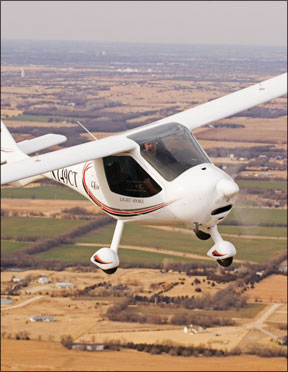
Safe LSA Transitions
By all the usual parameters, people are turning to the new light sport aircraft (LSA) category and its accompanying sport pilot certificate in large numbers. Both apparently are having a favorable, if perhaps modest, impact on private flying in the U.S. The new aircraft category has translated into options and a new airman certification scheme so far posting some formidable numbers: About 60 new S-LSA types-special light sport aircraft, a factory-built, ready-to-fly machine-have been approved by the FAA under industry-developed consensus standards as of November 2007. Nearly 1100 new S-LSAs were registered through the same period. And, according to the Experimental Aircraft Association (EAA), as of July 2007 when association Vice President Earl Lawrence delivered a three-year report on the movement, 2100 new sport pilot certificates had been issued, along with 232 sport pilot instructor certificates and 240 examiners. Not too shabby, considering the FAA didnt publish the final sport pilot rule until August 2004; it was April 2005 before the first S-LSA won approval from the FAA.

Key Takeaways:
- The Light Sport Aircraft (LSA) category and sport pilot certificate are experiencing significant growth, offering more economical and accessible flying opportunities, including the ability for pilots to fly without a traditional FAA medical certificate using a valid driver's license.
- LSAs are approved under industry-developed consensus standards (ASTM), which outline specific requirements for aircraft design, operation, and maintenance, including annual "condition inspections."
- Existing private pilots (or higher) can fly LSAs using their current pilot certificate and a driver's license (for medical compliance), and can exercise broader privileges (such as night or IFR flight) than sport pilots, provided the LSA is appropriately equipped and approved for such operations.
Key takeaways sponsored by Aviator Pro | Start Your Training ->
See a mistake? Contact us.

