













Register

Tailwheel Versus Tricycle Gear

Aviation’s version of the Ginger-versus-Mary-Ann debate, pilots have strong opinions about their undercarriage.

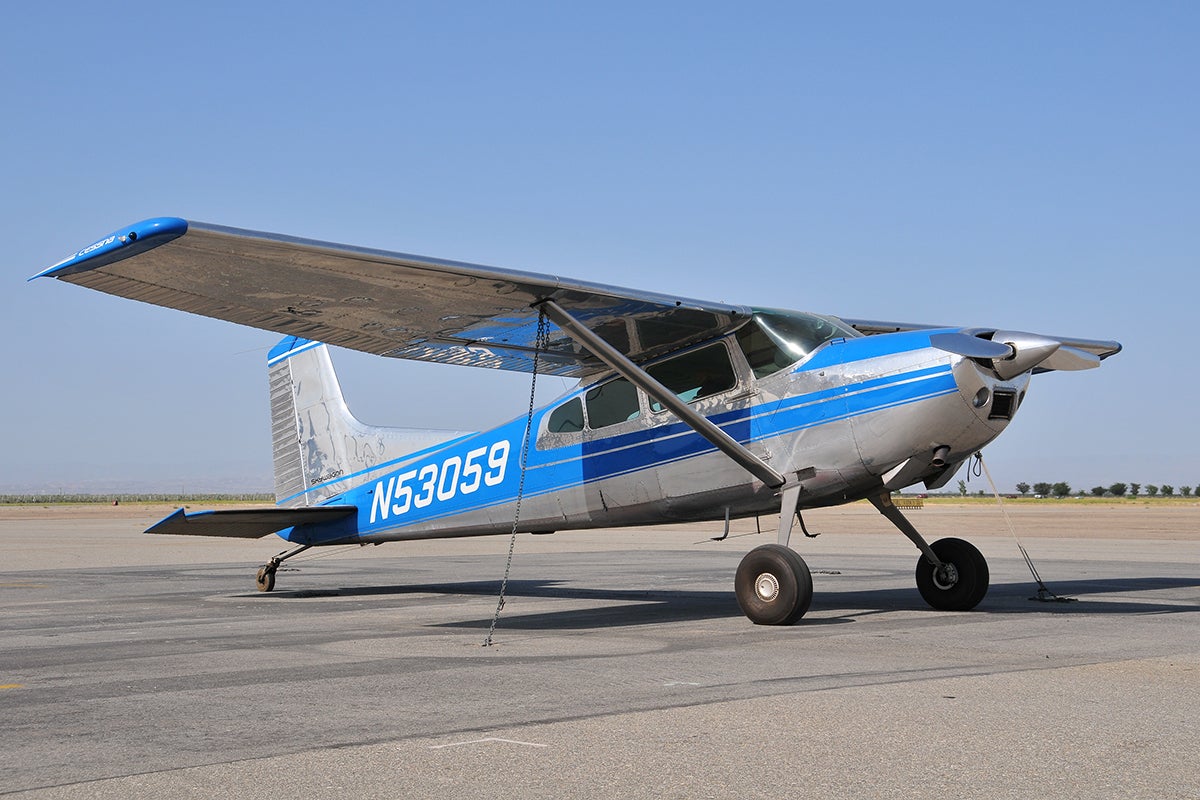
The Cessna 180 Skywagon is no longer produced but still a pilot favorite. [Shutterstock]
Gemini Sparkle

Key Takeaways:

Q: I want to become a private pilot and I have heard the best way to do this is to learn in a tailwheel airplane and then transition to tricycle gear—but I have also heard it the other way around: tricycle gear first, then transition to tailwheel. Which is better? Which is easier to fly?

A: Ah, tailwheel (said in a husky tone usually reserved for talking to summer loves from the heady days of youth)! The short answer is, once you get into the air, both types of aircraft fly the same way. It is the takeoffs and landings that are different, because the center of gravity on the airplanes is different.

A tailwheel airplane, by design, requires more rudder skill because there is a lot more airplane behind the CG. This means you need to be ready for the back end of the aircraft to try to swing around to the front during takeoffs and landings. Appropriate rudder control prevents this.


Meg Godlewski

Meg Godlewski has been an aviation journalist for more than 24 years and a CFI for more than 20 years. If she is not flying or teaching aviation, she is writing about it. Meg is a founding member of the Pilot Proficiency Center at EAA AirVenture and excels at the application of simulation technology to flatten the learning curve. Follow Meg on Twitter @2Lewski.

Ready to Sell Your Aircraft?

List your airplane on AircraftForSale.com and reach qualified buyers.

List Your Aircraft
AircraftForSale Logo | FLYING Logo
Pilot in aircraft
Sign-up for newsletters & special offers!

Get the latest stories & special offers delivered directly to your inbox.

SUBSCRIBE
