














Register

Flying the Southeast Weather Map

Think strategically about general patterns as you plan flying for summer into fall.

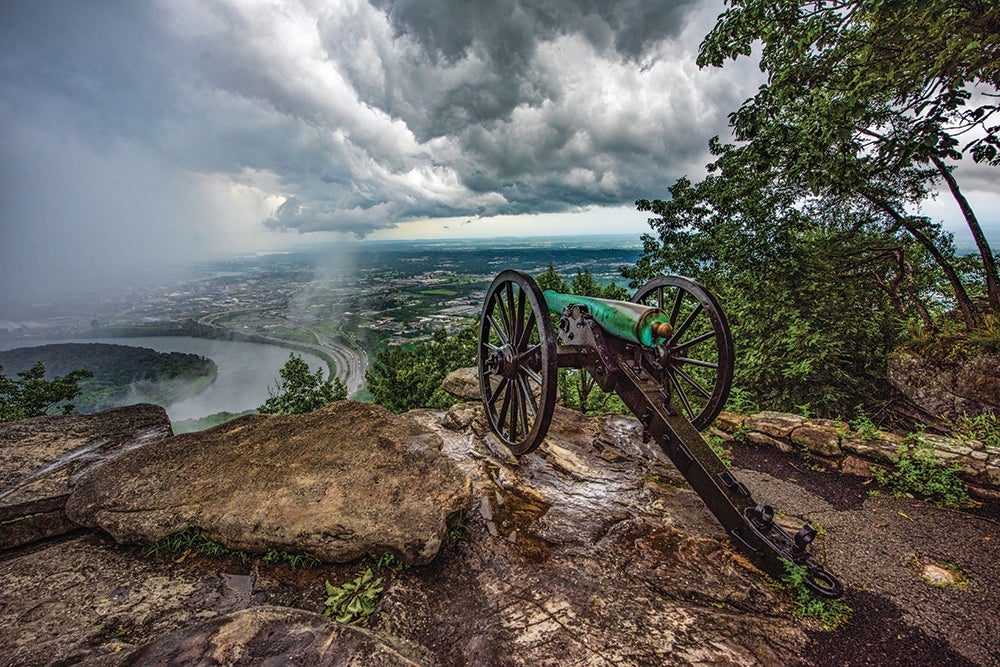
[File photo: Shuttterstock]
Gemini Sparkle

Key Takeaways:

  • Warm-season flying in the Southeast is marked by less airframe icing and fewer frontal systems but presents challenges such as afternoon thermal turbulence, early morning haze with reduced visibility, high density altitude, and scattered diurnal pulse-type thunderstorms.
  • Hurricane season, starting June 1, poses a significant threat as tropical systems, even after weakening inland, can bring torrential rain, flash flooding, and severe convection, including tornadoes, with dangerous vertical windshear for small aircraft.
  • Pilots should be aware that TAF forecasts for "showers" often indicate forecaster uncertainty about developing thunderstorms; it's crucial to consult Area Forecast Discussions (AFDs) and convective outlooks, aiming to fly before noon, monitor tropical activity, and carefully check density altitude.
See a mistake? Contact us.

Flying in the Southeast, including the southern Appalachian Mountains and the Tennessee Valley during the warm season, carries with it different weather challenges than what you would experience in the spring. The good news is that on any given day, airframe icing is much less common given the freezing level is often hanging around the mid-to-upper teens at this time. Supercooled liquid water and the threat of airframe icing still exists, but it is most often associated with deep, moist convection and thunderstorms, which we diligently try to avoid anyway.

Another benefit of summertime in this region is that frontal system passages are few and far between as the fast-flowing jet stream has been steadily migrating north into Canada throughout the spring and early summer. That leaves behind light westerly winds aloft or what meteorologists call zonal flow. Consequently, mountain wave activity takes a back seat in the southern and central Appalachians as instability near the surface ushers in thermal turbulence that most pilots must endure during the afternoon and early evening hours.


Scott Dennstaedt, Ph.D

Scott resides in Charlotte, North Carolina, and flies regularly throughout the Mid-Atlantic and Southeast U.S. He is a CFI and former NWS meteorologist. Scott is the author of "The Skew-T log (p) and Me: A Primer for Pilots" and the founder of EZWxBrief.

Ready to Sell Your Aircraft?

List your airplane on AircraftForSale.com and reach qualified buyers.

List Your Aircraft
AircraftForSale Logo | FLYING Logo
Pilot in aircraft
Sign-up for newsletters & special offers!

Get the latest stories & special offers delivered directly to your inbox.

SUBSCRIBE
