Especially when looking at recent accidents involving scheduled airliners, it occurs that some people are still having problems with their landings. Yes, they can be difficult to master, especially when crosswinds or other factors complicate things and distract us. But this shouldn’t be so hard.
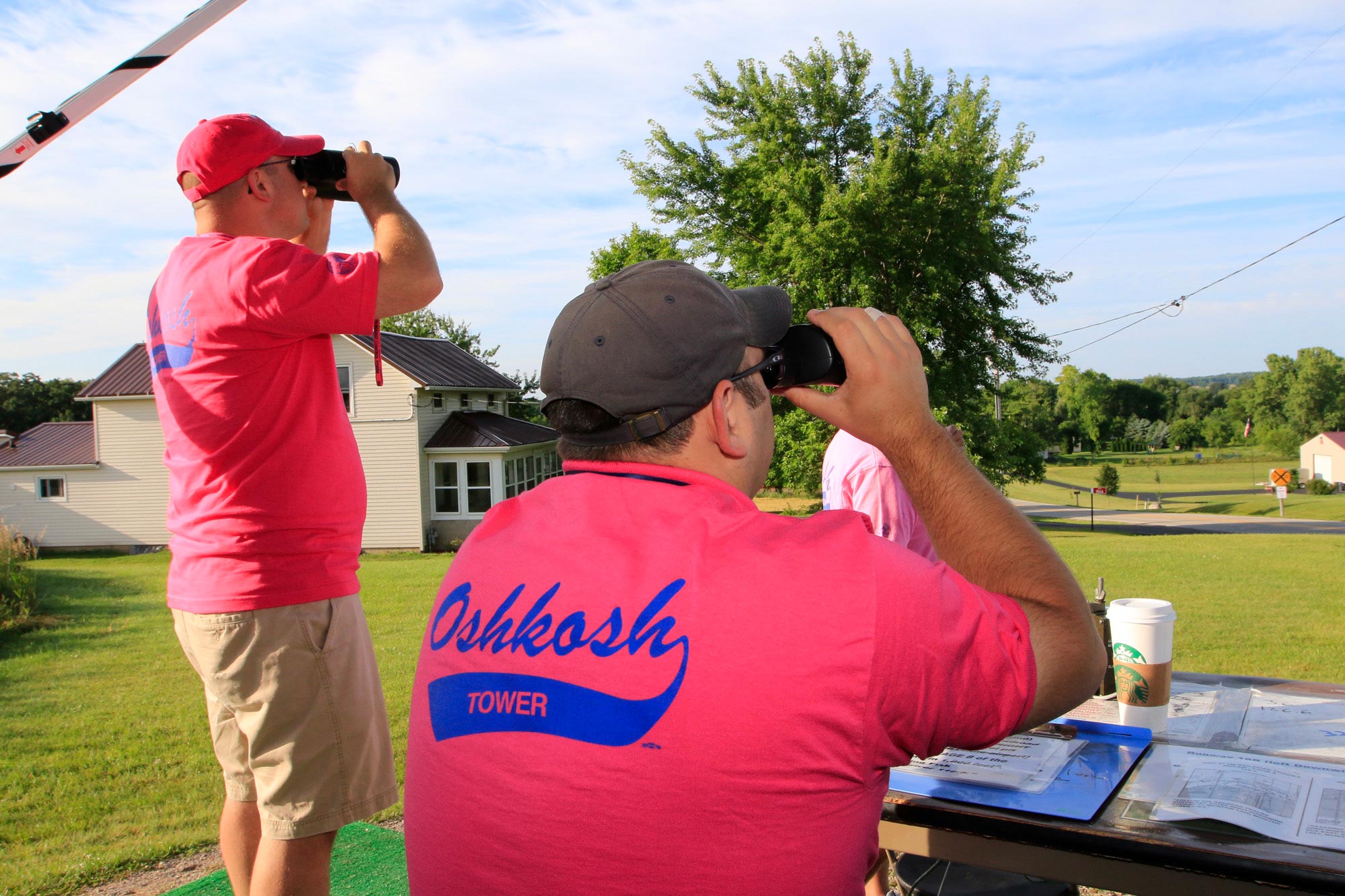
FAA controllers working the temporary “tower” at Fisk often have to deal with extremely high volumes of traffic during peak hours.Dan Pimentel
Key Takeaways:
Successful landings stem from a precise approach, requiring pilots to maintain a well-flown pattern with correct altitude and distance, making early power and configuration adjustments based on conditions.
Pilots must consistently evaluate their approach using target altitudes and airspeeds, while maintaining the correct "sight picture" by focusing down the runway for accurate depth perception and height gauging.
Crucial final steps involve meticulous airspeed control to avoid excessive speed over the threshold and executing a well-timed, consistent flare by adjusting pitch rate for a smooth touchdown.
Especially when looking at recent accidents involving scheduled airliners, it occurs that some people are still having problems with their landings. Yes, they can be difficult to master, especially when crosswinds or other factors complicate things and distract us. But this shouldn’t be so hard.
288
CREATE A FREE ACCOUNT
Sign up to keep reading
Create a free account to continue. Already a member? Sign in below.