














Register

DARPA Project Seeks Self-Healing Concrete for Infrastructure, Runway Repair

If successful, the strategy for repairing aging concrete by mimicking biological systems could extend the life of critical military airfields and runways.

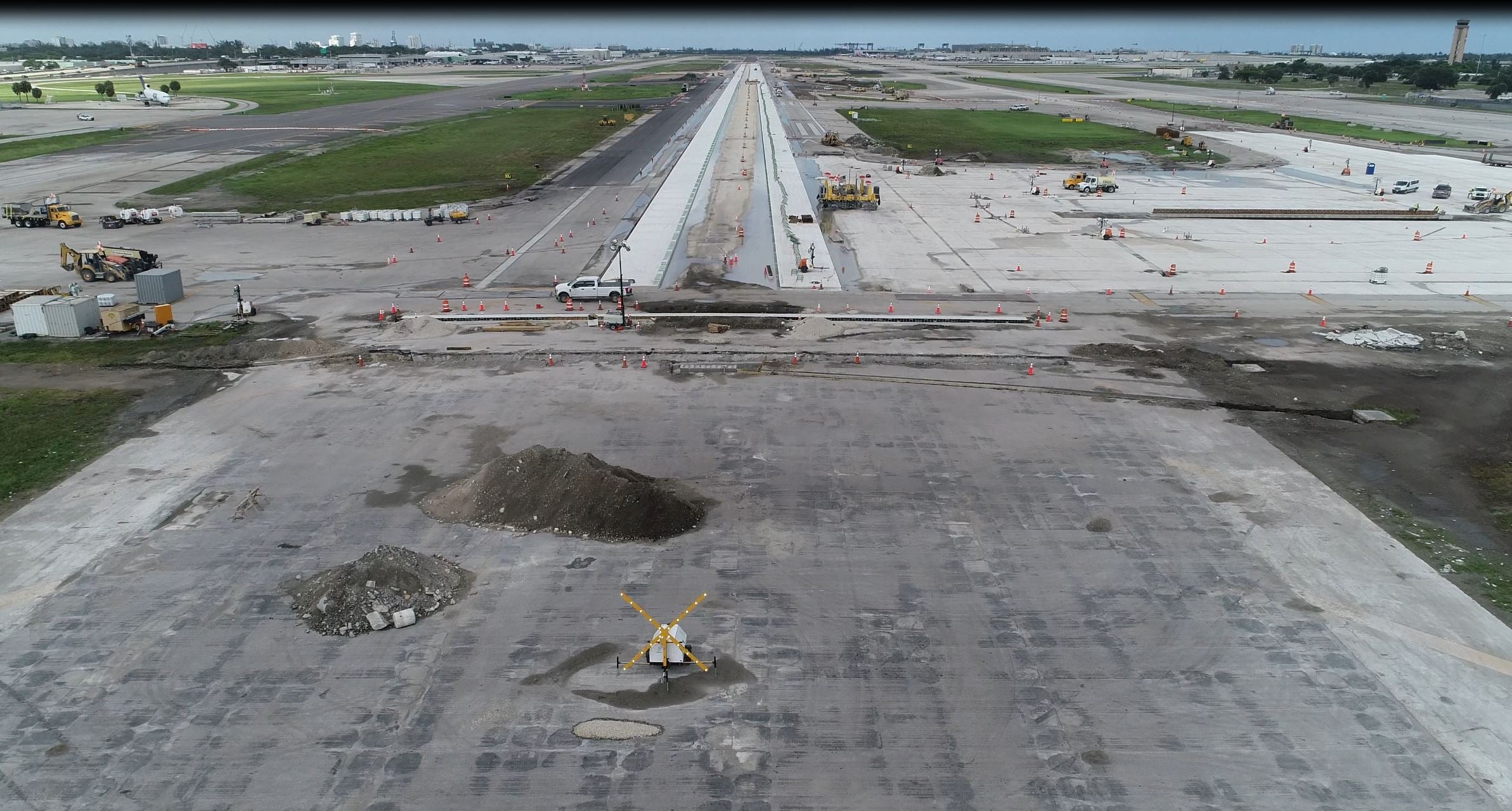
Runway repairs, like the ones made in 2020 to the north runway at Fort Lauderdale-Hollywood International Airport (KFLL), can cost millions of dollars. DARPA's project could lessen these costs. [File photo: Fort Lauderdale-Hollywood International Airport
Gemini Sparkle

Key Takeaways:

  • DARPA's new Bio-inspired Restoration of Aged Concrete Edifices (BRACE) program aims to develop self-healing concrete to extend the lifespan of critical U.S. military infrastructure.
  • The program seeks innovative technologies, such as bio-inspired vascularization, to transport healing materials (e.g., microorganisms) deep into existing aged concrete to repair cracks internally.
  • This initiative is crucial for maintaining aging military assets like runways and missile silos, which are costly and difficult to repair with current methods, and could eventually benefit civilian infrastructure.
See a mistake? Contact us.

Editor’s Note: This article is part of special series spotlighting runwaysApril 18: America’s Longest Runways | America’s Shortest Runways | April 19: 11 Fun Faces About Runways | April 20: Self-healing Concrete and How It Can Save Runways | April 21: Old Military Runways | April 22: Remembering Meigs Field

If a new Defense Department program is successful, cracks in aging concrete could one day fix themselves on the inside before their destruction reaches the surface, extending the lifespace of critical military infrastructure, such as runways and airfield pavement.


Ready to Sell Your Aircraft?

List your airplane on AircraftForSale.com and reach qualified buyers.

List Your Aircraft
AircraftForSale Logo | FLYING Logo
Pilot in aircraft
Sign-up for newsletters & special offers!

Get the latest stories & special offers delivered directly to your inbox.

SUBSCRIBE
