











There you are, droning along in cruise. Suddenly, theres a vibration, then a power surge, then combustion ends…and youre flying a glider. For a moment you hesitate-no one is immune from at least a split-second of indecision, most of us much longer-and then you realize you have an engine failure. You maintain control, point the aircraft in the direction of a place to land, then confirm the failure. If you have time and altitude you can try to restart the engine, but if the 288
From Denial To Final, II
There you are, droning along in cruise. Suddenly, theres a vibration, then a power surge, then combustion ends...and youre flying a glider. For a moment you hesitate-no one is immune from at least a split-second of indecision, most of us much longer-and then you realize you have an engine failure. You maintain control, point the aircraft in the direction of a place to land, then confirm the failure. If you have time and altitude you can try to restart the engine, but if the failure is catastrophic youll quickly find theres nothing you can do to fix the engine from the pilots seat. You are committed to a glide and a power-off landing.
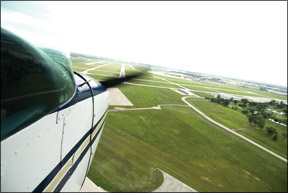

Key Takeaways:
- Upon engine failure, maintain aircraft control, confirm the issue, and maximize glide performance by configuring the aircraft for minimum drag, including retracting gear/flaps, closing cowl flaps, and critically, pulling controllable-pitch propellers to minimum RPM.
- Select an emergency landing site promptly using GPS or visual observation, prioritizing avoidance of obstacles like wires, slopes, and fences.
- Execute the approach by transitioning from best glide speed to least rate of descent speed on final, prepare the cabin, aim for a safe touchdown zone well into the field, and turn off electrical systems before touching down.
Key takeaways sponsored by Aviator Pro | Start Your Training ->
See a mistake? Contact us.

