














Register

Is Delayed Weather Information Useful?

The increasing use of datalink weather in the cockpit may deserve credit for the decline of fatal aviation accidents caused by weather. [FLYING Archives]
Gemini Sparkle

Key Takeaways:

  • Datalink weather, despite its 5 to 15-minute delay, is trustworthy for understanding the "big picture" and making strategic, long-range deviations to avoid weather systems.
  • It should be used to route around entire weather systems by many miles, rather than attempting to navigate through immediate, embedded thunderstorms.
  • Pilots should animate radar to observe weather trends (direction and speed), maintain wide margins, and stay in visual conditions if possible, even when flying IFR.
  • Datalink weather is a valuable tool, but it does not make decisions; the pilot in command retains full responsibility for all flight decisions.
See a mistake? Contact us.

Q: Can you trust datalink weather even though it’s delayed?

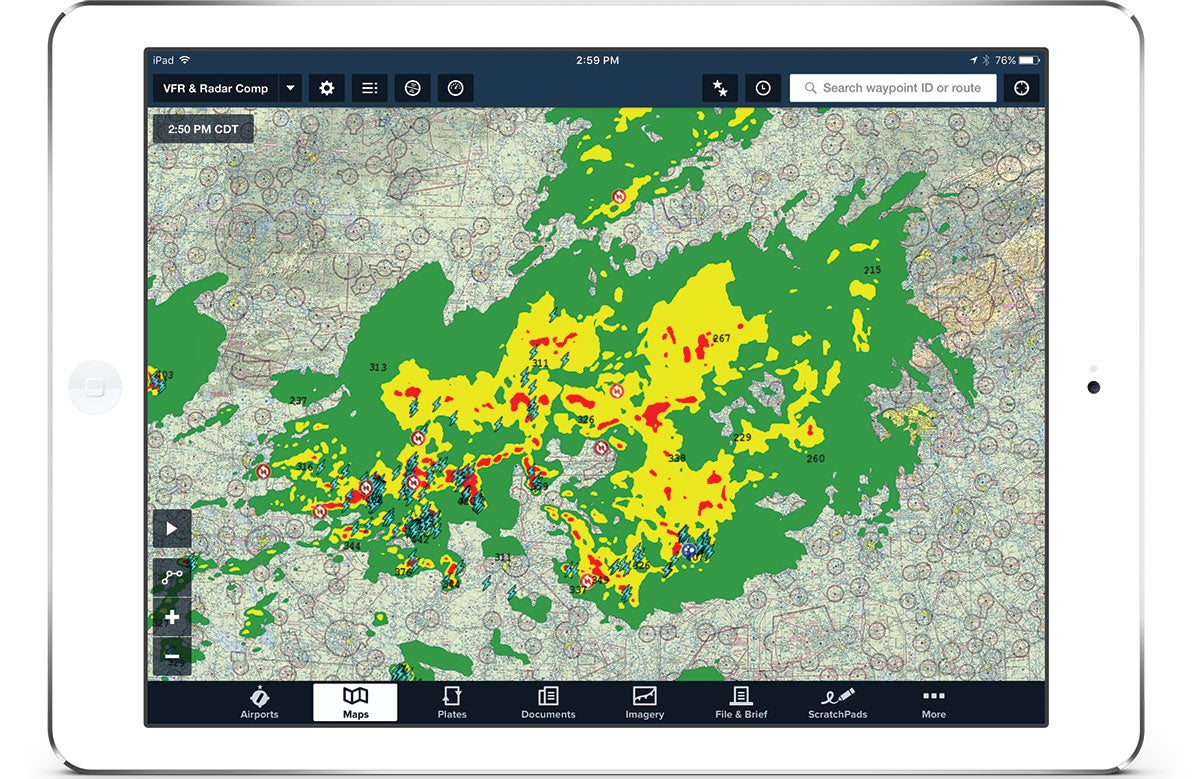
Yes. Just because the radar picture you see on your screen is delayed by five to 15 minutes doesn’t mean it can’t be used for smart in-flight decisions. Whether it’s from a portable ADS-B re-ceiver or a panel-mount Sirius XM receiver, datalink weather can help you understand the all-important “big picture” and make deviations far in advance of dangerous weather. Don’t pick your way through embedded thunderstorms based on your iPad screen; instead, change your route of flight to miss the entire weather system by many miles. If you’re not sure in which direction or how fast the weather is moving, animate the radar and watch the trend. Then, give yourself a wide margin and try to stay in visual conditions if possible. Even if you’re IFR, the most reliable way to avoid bad weather is to stay out of the ugly clouds and use datalink weather to back up what you see from the left seat. ADS-B or SiriusXM is a valuable tool, but it cannot make the decision for you—that responsibility rests with the pilot in command.


Do you have a question about aviation that’s been bugging you? Ask us anything you’ve ever wanted to know about aviation. Our experts in general aviation, training, aircraft, avionics, and more may attempt to answer your question in a future article.

John Zimmerman

John Zimmerman grew up in the back of small airplanes and moved to the front at age 16. He flies a Pilatus PC-12 and a Robinson R44.

Ready to Sell Your Aircraft?

List your airplane on AircraftForSale.com and reach qualified buyers.

List Your Aircraft
AircraftForSale Logo | FLYING Logo
Pilot in aircraft
Sign-up for newsletters & special offers!

Get the latest stories & special offers delivered directly to your inbox.

SUBSCRIBE

