During oil and filter change, chips and large metal pieces were found. During an annual inspection, the engine oil quick drain valve was blocked with debris. About a dozen pieces of what appeared to be piston ring pieces were removed. While performing a condition inspection, a crack was found on #6 intake. After takeoff, the crew noted engine vibration and lack of power. Inspection revealed excessive oil in the engine area and on the aircraft belly. After a precautionary landing due to power loss, a compression check showed zero on cylinder A4.
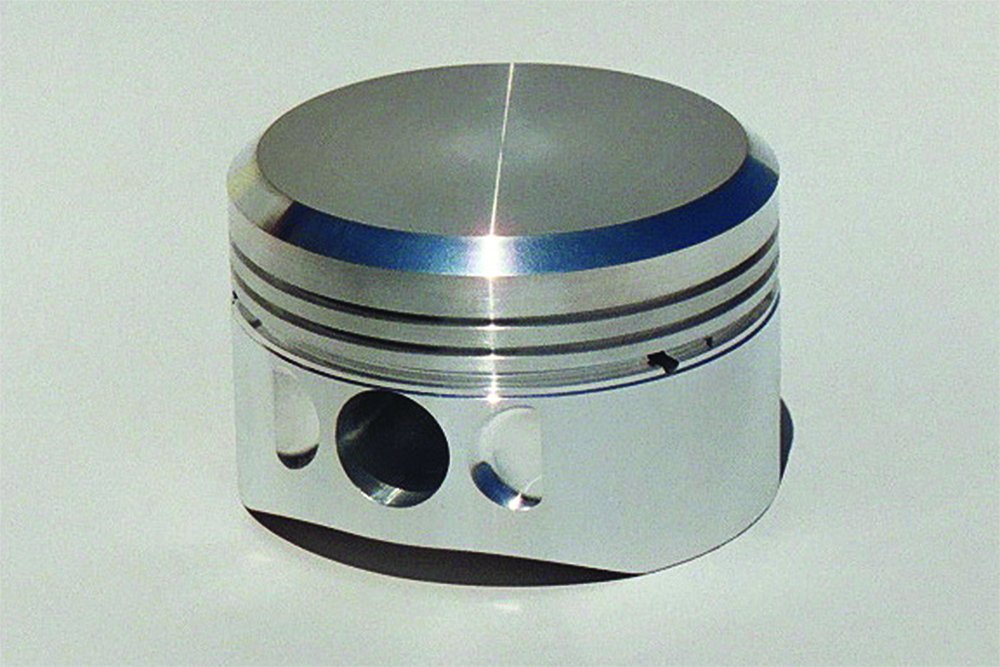
Piston skirt failures are a recurring issue in various aircraft engines, often resulting in severe internal damage and metal contamination of the oil system.
Piston ring problems, including seizing, sticking, or breaking, are also common, leading to symptoms like compression loss, excessive oil consumption, engine vibration, or power loss.
These piston-related failures were observed across different engine models and operating hours, detected through routine maintenance (e.g., oil changes) or in-flight performance issues.
During oil and filter change, chips and large metal pieces were found. Investigation revealed the #2 cylinder’s piston skirt had broken off, including a piston ring, causing severe damage to the cylinder, camshaft, crankshaft, crankcase and connecting rods.
Part Total Time: 205.0 hours
CREATE A FREE ACCOUNT
Sign up to keep reading
Create a free account to continue. Already a member? Sign in below.