













Register

E/AB Aircraft Safety

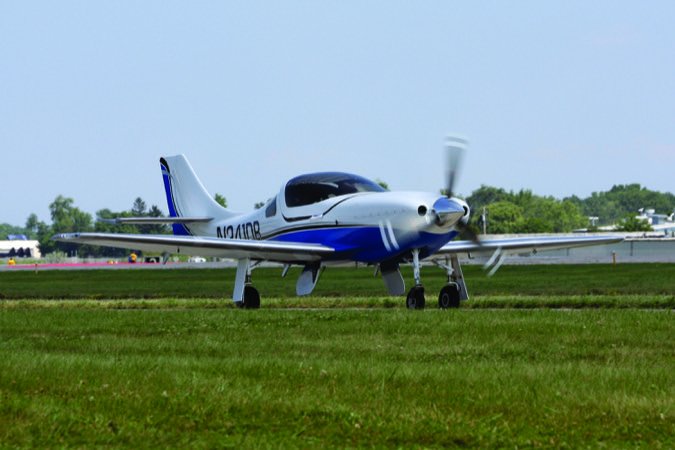
The Experimental/Amateur-Built aircraft category has been the fastest-growing segment of general aviation for some years. The term amateur-built suggests the aircraft was assembled by an individual instead of a factory. In fact, the FARs state that an amateur-built aircraft is one that the major portion of which has been fabricated and assembled by persons who undertook the construction project solely for their own education or recreation. The FAA requires that an amateur-built aircraft must be assembled or constructed at least 51 percent by an amateur, not including the engine(s), propeller(s) or accessories. Meanwhile, the term experimental encompasses much more than just amateur-built aircraft. Examples include those used for research and development, air racing, exhibition, etc.

Gemini Sparkle

Key Takeaways:

  • Experimental/Amateur-Built (E/AB) aircraft historically faced higher accident rates, primarily from loss of control and powerplant failures, often occurring during initial flight testing or with subsequent owners.
  • Significant safety improvements have been achieved since a 2012 NTSB study, through collaborative efforts by organizations like the EAA, FAA, and NTSB, focusing on addressing identified accident causes.
  • Crucial measures for E/AB safety include rigorous initial flight testing plans, thorough pre-flight system checks (especially fuel flow), and comprehensive type-specific transition training and mentoring for builders and new owners.
See a mistake? Contact us.

Plane

D. Miller

Ready to Sell Your Aircraft?

List your airplane on AircraftForSale.com and reach qualified buyers.

List Your Aircraft
AircraftForSale Logo | FLYING Logo
Pilot in aircraft
Sign-up for newsletters & special offers!

Get the latest stories & special offers delivered directly to your inbox.

SUBSCRIBE

