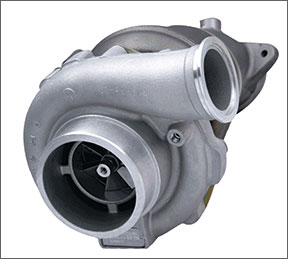
The turbocharger is a useful part of a pilot’s toolbag. When flying an airplane with one installed, it can increase our rate of climb, boost our groundspeed and lift us above a lot of the weather. It also can be used to pressurize the airplane’s cabin, allowing us to enjoy a shirtsleeve environment in the flight levels.
Turbochargers significantly enhance aircraft performance at altitude by compressing air, improving climb rate, groundspeed, and enabling cabin pressurization.
Despite their benefits, turbochargers add complexity, increase maintenance demands, and introduce new opportunities for in-flight failures compared to normally aspirated engines.
Common system issues include exhaust and induction leaks (with exhaust leaks posing a fire risk), wastegate/controller malfunctions, and internal turbocharger component failures.
Pilots must be knowledgeable about turbocharger operation, recognize symptoms like sudden manifold pressure drops or bootstrapping, and perform thorough pre-flight inspections for safe operation.
The turbocharger is a useful part of a pilot’s toolbag. When flying an airplane with one installed, it can increase our rate of climb, boost our groundspeed and lift us above a lot of the weather. It also can be used to pressurize the airplane’s cabin, allowing us to enjoy a shirtsleeve environment in the flight levels.
288
CREATE A FREE ACCOUNT
Sign up to keep reading
Create a free account to continue. Already a member? Sign in below.