











Cessna 310L Cracked Wheel A mechanic writes, “Upon changing a tire on a Cleveland wheel assembly on this aircraft, it was discovered the wheel half holding the bearing race was cracking. It had cracked over 180 degrees around the opening, which eventually could have (led) to a serious accident.” When technicians began to “flip” the tire to even out the wear, they found a loose bearing race. The wheel crack was then found, having progressed more than 180 degrees around the axle hole. Provided wheel p/ns are 199-64 and/or 40-40A. Part Total Time: 2200.0 hours. Diamond DA-20 Broken Horizontal Stabilizer Bolts The aircraft returned from a flight with both horizontal stabilizer mount bolts broken (p/n AN3-11A). Technicians removed the rudder and horizontal stabilizer to inspect 288
Wear and Tear
A mechanic writes, "Upon changing a tire on a Cleveland wheel assembly on this aircraft, it was discovered the wheel half holding the bearing race was cracking. It had cracked over 180 degrees around the opening, which eventually could have (led) to a serious accident." When technicians began to "flip" the tire to even out the wear, they found a loose bearing race. The wheel crack was then found, having progressed more than 180 degrees around the axle hole. Provided wheel p/ns are 199-64 and/or 40-40A.

Key Takeaways:
- Multiple aircraft experienced critical structural issues, including a Cessna 310L with a severely cracked wheel and a Diamond DA-20 with both horizontal stabilizer mount bolts broken in flight.
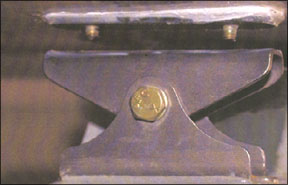
- A Mooney M20J showed widespread corrosion and shearing of aluminum cowling rivets due to incompatibility with its composite structure, while a Piper PA-31-350 had a main landing gear bolt fail from fatigue.
- These incidents highlight the importance of comprehensive inspections, material compatibility in composite assemblies, and addressing fatigue-prone components, even those not covered by existing service requirements.
Key takeaways sponsored by Aviator Pro | Start Your Training ->
See a mistake? Contact us.

