











From almost our very first flying lesson, pilots are taught what to do in the event a single-engine airplanes lone powerplant fails. As with too many concepts at that early stage of our training, we basically accept what were taught without many questions. Later, as we gain experience, we begin to think more about those early lessons and try to apply to them what our experience has taught us. In turn, many 288
Gliding With Precision
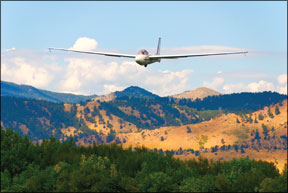
From almost our very first flying lesson, pilots are taught what to do in the event a single-engine airplanes lone powerplant fails. As with too many concepts at that early stage of our training, we basically accept what were taught without many questions. Later, as we gain experience, we begin to think more about those early lessons and try to apply to them what our experience has taught us. In turn, many questions can arise. If your airplane ever becomes a glider, you would suddenly become very interested in its new aerodynamics. How promptly and accurately you can remember to make the most of the variables at your disposal would play a large part in determining where and how softly you land. Lets take a look at those variables and how they can affect your emergency glide.

Key Takeaways:
- Upon single-engine power failure, pilots must immediately establish and maintain the "best glide speed" to maximize horizontal glide distance and safely reach a landing area, effectively utilizing altitude as stored energy.
- Best glide speed is achieved at the aircraft's optimal lift-to-drag ratio (L/Dmax), which provides the shallowest possible glide angle for maximum range, and is distinct from the minimum sink speed (maximum endurance).
- Pilots must adjust their glide speed based on environmental factors (increase for headwinds/downdrafts, decrease for tailwinds/updrafts) and aircraft configuration (decrease for reduced weight or increased drag like flaps/gear).
Key takeaways sponsored by Aviator Pro | Start Your Training ->
See a mistake? Contact us.

