Register

25 Years Later: How 9/11 Forever Reshaped General Aviation Airspace

From the creation of National Security Areas to permanent prohibited zones, legacy of tragedy continues to define skies pilots fly.


The events of 9/11 had an indelible effect on pilot training. [Credit: Adobe Stock]
Gemini Sparkle

Key Takeaways:

  • The September 11, 2001, terrorist attacks fundamentally reshaped aviation security and airspace management in the United States.
  • Immediate responses included the grounding of all aircraft, creation of the TSA with dramatically increased airport security, and widespread Temporary Flight Restrictions (TFRs).
  • These initial TFRs evolved into new permanent airspace designations like National Security Areas (NSAs) and Prohibited Areas (e.g., over military bases and sensitive sites), along with TFRs for large public gatherings.
  • The events also led to increased scrutiny of flight schools and heightened pilot awareness regarding airspace restrictions, impacting general aviation practices and security protocols.
See a mistake? Contact us.

I pointed to the magenta line on the VFR sectional. “What’s this?” I asked the aspiring private pilot.

“Some place we’re not supposed to go,” he replied confidently.

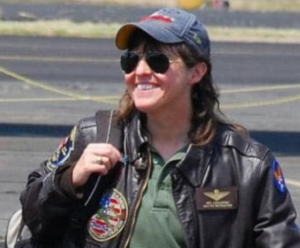
Meg Godlewski

Meg Godlewski has been an aviation journalist for more than 24 years and a CFI for more than 20 years. If she is not flying or teaching aviation, she is writing about it. Meg is a founding member of the Pilot Proficiency Center at EAA AirVenture and excels at the application of simulation technology to flatten the learning curve. Follow Meg on Twitter @2Lewski.

Ready to Sell Your Aircraft?

List your airplane on AircraftForSale.com and reach qualified buyers.

List Your Aircraft
AircraftForSale Logo | FLYING Logo
Pilot in aircraft
Sign-up for newsletters & special offers!

Get the latest stories & special offers delivered directly to your inbox.

SUBSCRIBE