
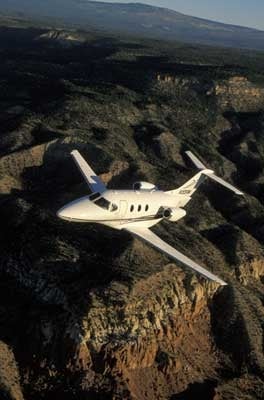
From the beginning the FAA has treated jets differently. In almost every area of certification the standards for jets have been more stringent than for propeller-driven airplanes, and one of those jet standards had been a requirement for two pilots. That rule remained in force until 1977 when Cessna won approval for single-pilot operation of its new Citation I-SP, and now many models of business jets are approved for single-pilot operation.
Single Pilot Jets

Key Takeaways:
- The FAA initially mandated two pilots for jets, but this rule evolved starting in 1977 with the Cessna Citation I-SP, allowing single-pilot operation for certain light business jets due to demand for convenience and flexibility.
- Early single-pilot approvals were granted based on certifying aircraft under "small airplane" rules (below 12,500 lbs) and demonstrating a low cockpit workload facilitated by specific equipment and design.
- For modern single-pilot certification, especially for jets exceeding 12,500 pounds, the focus includes ergonomic cockpit design, advanced automation, and critically, requiring the pilot to obtain a specific "single-pilot type rating" through specialized training and checking.
- The FAA maintains a stringent approach, generally assuming two pilots for larger jets but permitting single-pilot operation in lighter jets where manufacturers demonstrate low workload and pilots meet rigorous training and certification standards.
Key takeaways sponsored by Aviator Pro | Start Your Training ->
See a mistake? Contact us.