











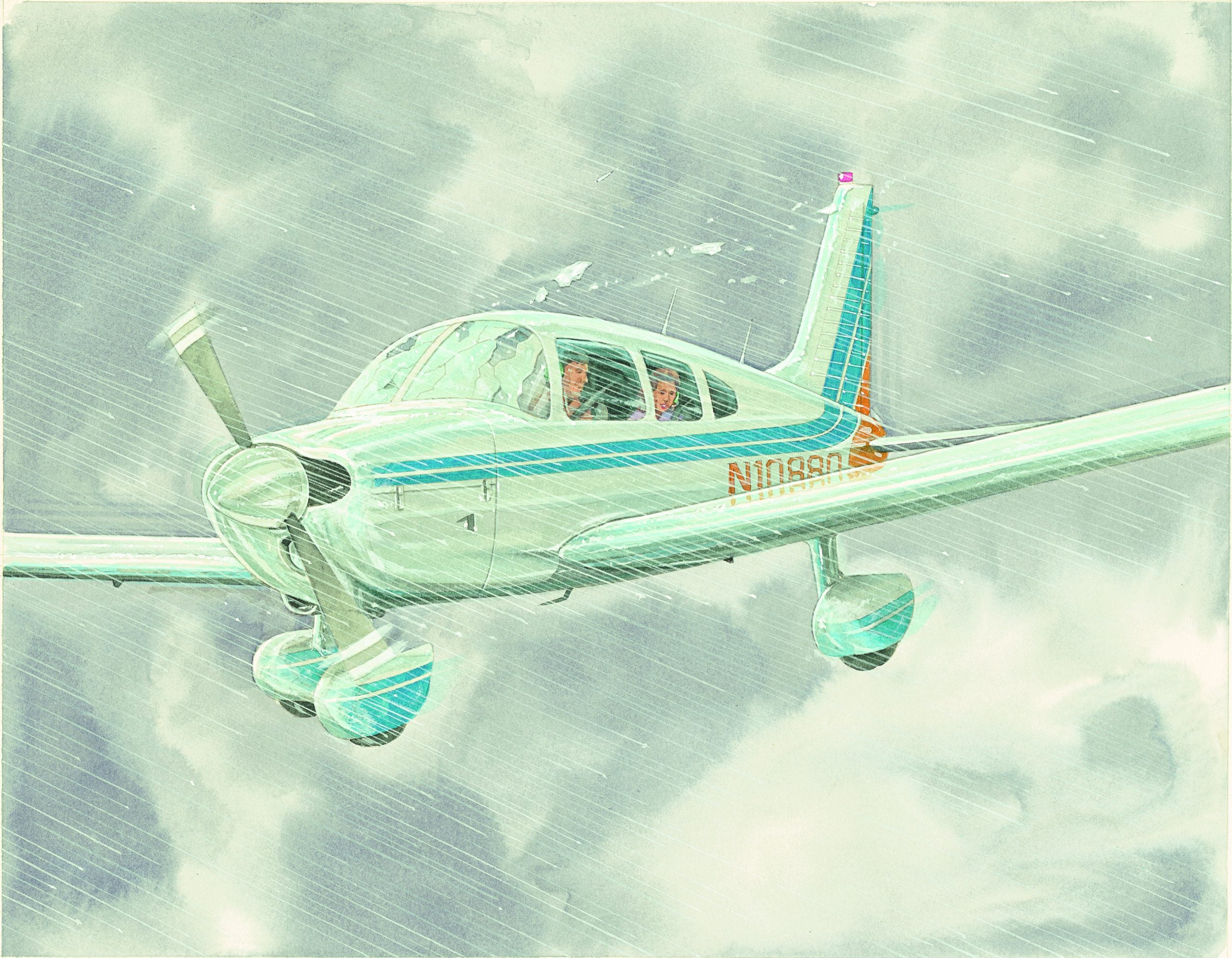
I was a 30-year-old 600-hour instrument instructor with half ownership in a well-equipped Piper Archer II and a good job to pay the bills. I felt I had a good understanding of my personal minimums and promised myself never to break them — a policy that has paid off many times. But that almost wasn’t the case on one chilly October day in New York.
I Learned About Flying From That: Icing Above

Key Takeaways:
- An experienced instrument pilot faced a severe in-flight icing emergency due to a fueling miscommunication that led to an overweight aircraft, and an underestimation of freezing rain potential.
- Despite rapid ice accumulation and declining airspeed, the pilot successfully landed by advocating for a lower altitude, diverting to a nearby airport, and meticulously managing airspeed during the approach.
- The incident highlighted critical lessons, including the need for absolute clarity in fuel orders, better forecasting of temperature inversions, prompt use of anti-icing equipment, and the value of declaring an emergency.
- Ultimately, the pilot attributed survival to strict adherence to aircraft weight limits and personal minimums, reinforcing the importance of continuous learning and sharing such experiences to enhance aviation safety.
Key takeaways sponsored by Aviator Pro | Start Your Training ->
See a mistake? Contact us.

