














Register

What Happened to the Piston Twin?

Gemini Sparkle

Key Takeaways:

  • Piston twin aircraft sales and models have drastically declined since their 1979 peak, shifting from a highly desired "step-up" option perceived as safer and more capable, to near extinction.
  • Early beliefs that twins were inherently safer were debunked; they often proved riskier without high proficiency and were economically inefficient due to double operating costs with only marginal performance gains.
  • The market for piston twins has been supplanted by advanced single-engine aircraft offering comparable performance and safety features, and by single-engine turboprops and jets, making a revival of the piston twin unlikely.
See a mistake? Contact us.

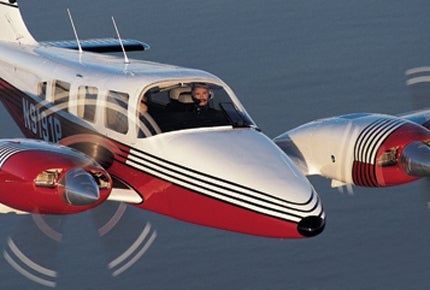
The year 1979 was the last big year of aircraft shipments. Almost 18,000 were sold that year. About 3,000 of those airplanes were piston twins. Today, any single that sells 534 units a year is red hot. In 1979, that’s how many Seneca twins Piper sold. If the piston single business looks lethargic when compared with the good old days, the piston twin is practically extinct. Beech builds a few Barons, and Piper some Senecas and Seminoles, mostly on special order. The Diamond Twin Star, which is a diesel twin, and the Adam 500 are just coming on line. In 1979 there were 33 different piston twins on the market.

So, what happened? Why did piston twins virtually go away? Will they come back? It is an interesting story.


FLYING Staff

FLYING Magazine is a one-stop resource for everything aviation, including news, training, aircraft, gear, careers, photos, videos, and more.

Ready to Sell Your Aircraft?

List your airplane on AircraftForSale.com and reach qualified buyers.

List Your Aircraft
AircraftForSale Logo | FLYING Logo
Pilot in aircraft
Sign-up for newsletters & special offers!

Get the latest stories & special offers delivered directly to your inbox.

SUBSCRIBE
