Weather Minimums Memo at Florida Flight School Generates Controversy
A new policy at L3Harris Flight Academy in Orlando dictates that the weather must be below certain criteria before a flight can be canceled or penalties would be levied.
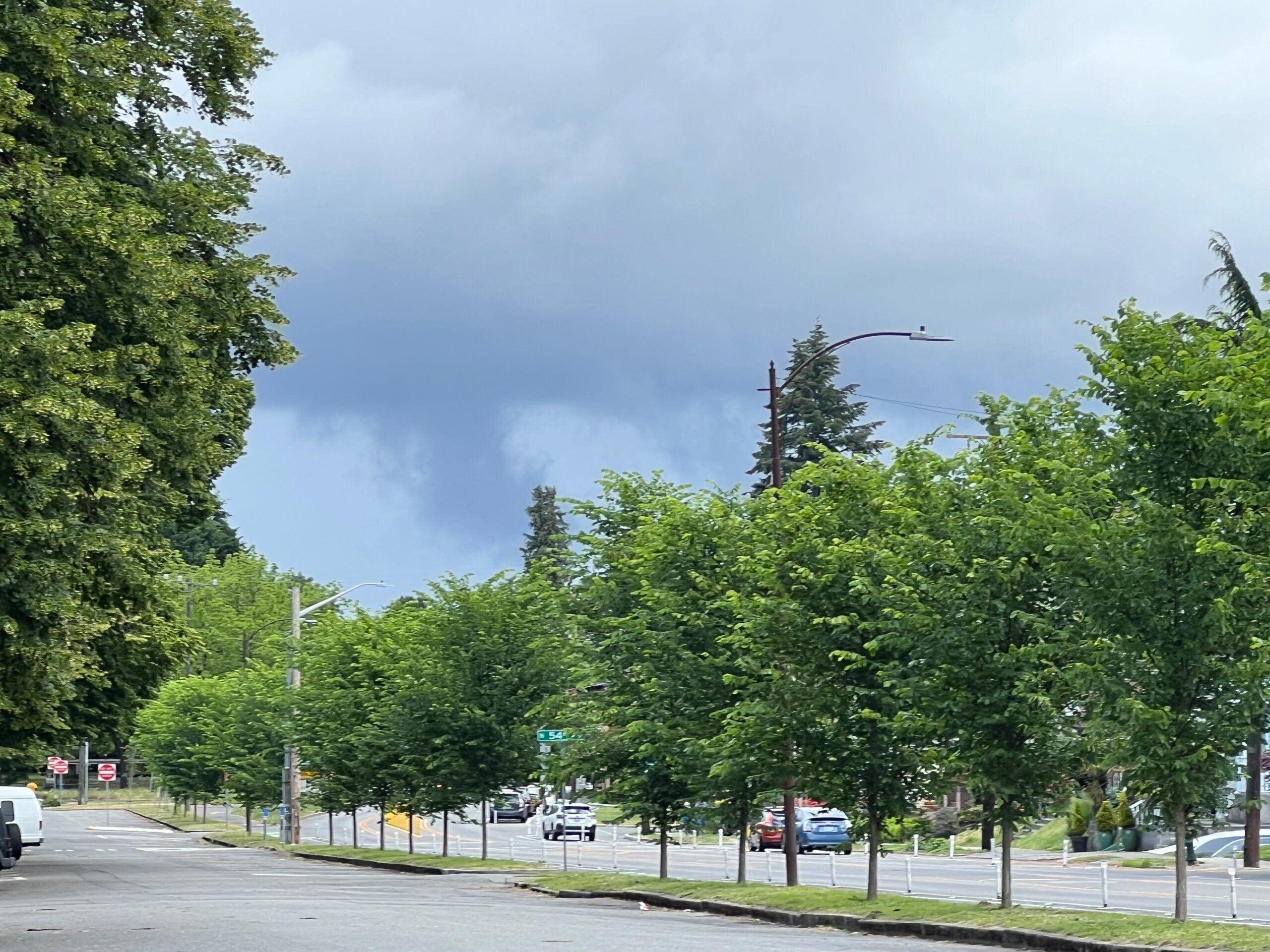
Developing personal minimums and learning to make the go/no-go decision is an essential part of flight training. [Courtesy: Meg Godlewski]
Key Takeaways:
L3Harris Flight Academy has drawn widespread industry criticism for a policy that designates weather cancellations as "non-excusable"—and potentially levies penalties—if conditions meet marginal minimums, such as a 2,000-foot ceiling and 3 miles visibility for cross-country flights.
Aviation safety advocates, including representatives from NAFI and SAFE, warn that enforcing such low minima pushes students into dangerous flying conditions, increases collision risks, and leaves little margin for rapidly deteriorating weather.
Critics argue that prioritizing flight scheduling and corporate revenue undermines essential FAA training standards, specifically by pressuring trainees and discouraging the development of sound aeronautical decision-making and personal weather minimums.
I ask my private pilot candidates this when the weather is unstable or marginal VFR and falling. If they determine the weather does not support the mission, they need to explain why they came to that decision.
CREATE A FREE ACCOUNT
Sign up to keep reading
Create a free account to continue. Already a member? Sign in below.
Meg Godlewski has been an aviation journalist for more than 24 years and a CFI for more than 20 years. If she is not flying or teaching aviation, she is writing about it. Meg is a founding member of the Pilot Proficiency Center at EAA AirVenture and excels at the application of simulation technology to flatten the learning curve. Follow Meg on Twitter @2Lewski.