













Register

VFR Into IMC, Holds, Etc.

Gemini Sparkle

Key Takeaways:

  • Pilots inadvertently flying VFR into IMC frequently fail to execute the standard emergency procedure of a 180-degree turn and declaring an emergency, possibly due to a perceived "paperwork stigma."
  • Effective go/no-go decisions require pilots to use seasoned judgment, considering real-world factors like aircraft age and pilot experience beyond just performance chart calculations.
  • For rusty pilots, flying with a second pilot in the right seat is a recommended safety measure that also fosters mutual learning.
  • A debate highlights the tension between strict adherence to radio call sign regulations (e.g., full N-numbers) for clear traffic identification and some pilots' preferences for abbreviated calls.
See a mistake? Contact us.

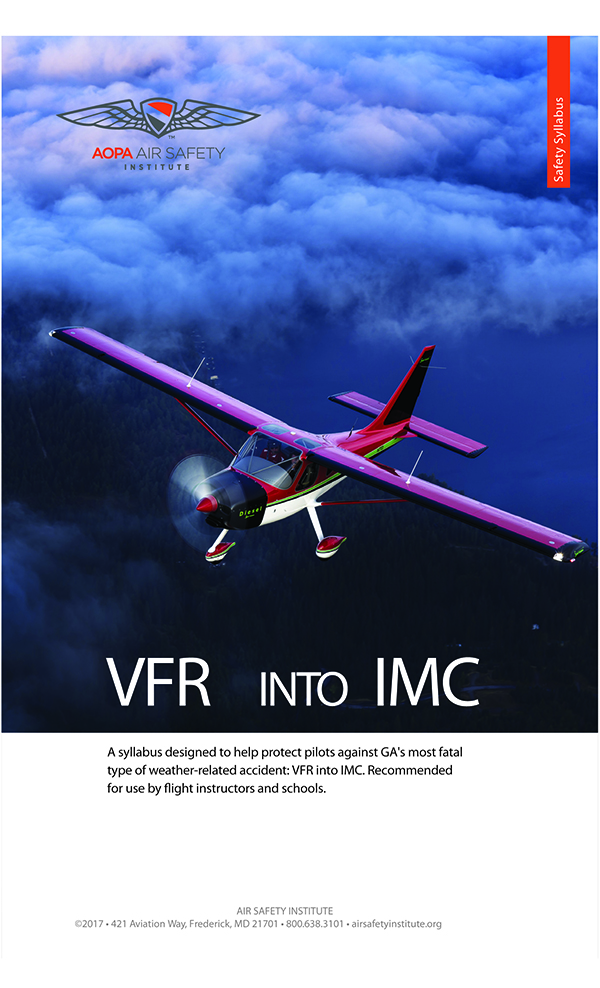
I was struck by what I believe was an omission in the commentary in “Real-World VFR into IMC” (February 2021). Prior to my instrument rating, the procedure upon entering IMC I had committed to memory was a variation of aviate, navigate and communicate: Trust instruments completely, turn 180 degrees while maintaining level flight to get out of IMC, declare an emergency. That third step was even an oral exam question for my PPL. (Question: Is it an emergency if you inadvertently fly into IMC? Answer: Yes.)

Neither of the VFR pilots in the article completed steps 2 or 3, though the commentary focuses on step 2. The “VFR-only Private Pilot” would have benefited greatly from declaring an emergency to the controller putting him through the clouds as soon as it technically was one. Based on his account, that NASA report was quite nearly an NTSB one.


Ready to Sell Your Aircraft?

List your airplane on AircraftForSale.com and reach qualified buyers.

List Your Aircraft
AircraftForSale Logo | FLYING Logo
Pilot in aircraft
Sign-up for newsletters & special offers!

Get the latest stories & special offers delivered directly to your inbox.

SUBSCRIBE