









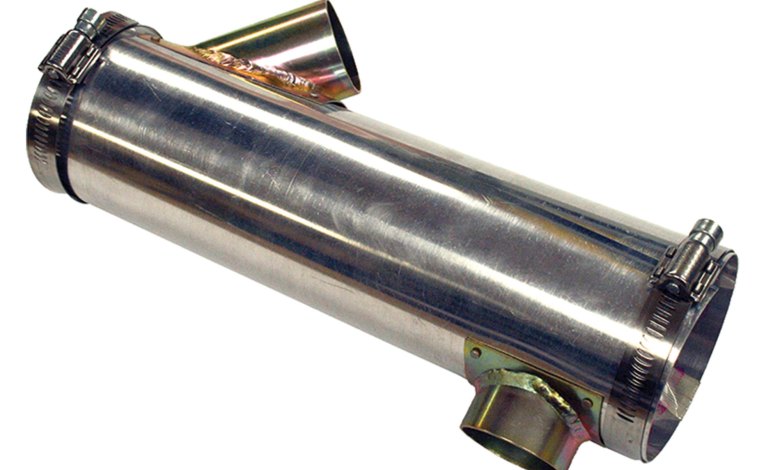
Mufflers And Exhausts
The following is derived from maintenance facility submissions to the FAA’s Service Difficulty Reports database.


The following is derived from maintenance facility submissions to the FAA’s Service Difficulty Reports database.

It’s in IFR Magazine’s DNA to inspire pilots to fly—and to attract new aviators to the skies. And what compels most prospective pilots to start lessons, or keep flying? A special airplane. We know because we’re built that way too. That’s why we’re pleased to announce the 2025 Ultimate FLYING Giveaway. The grand prize winner […]
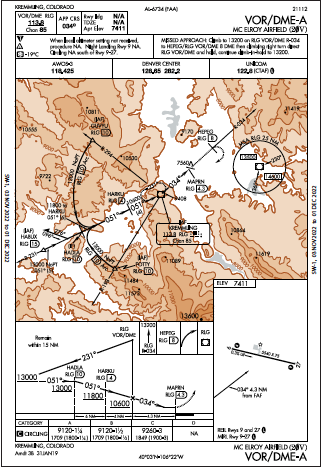
A monthly summary of recently published NTSB preliminary accident reports involving general aviation and air carrier aircraft.
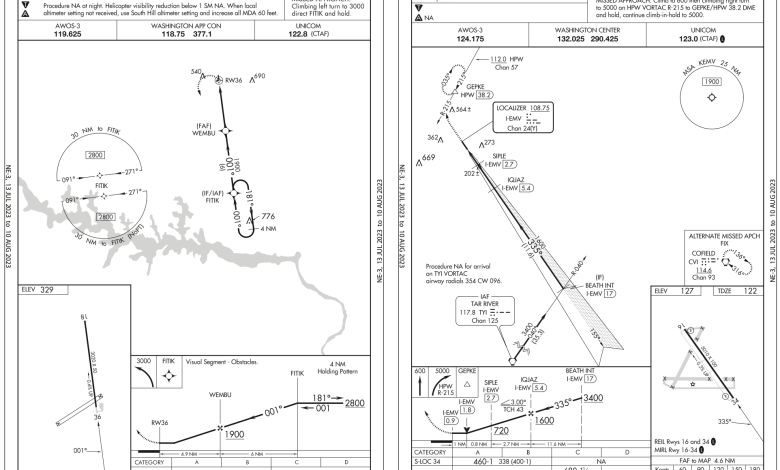
Enduring a black-screen episode in flight, for those in the know, isn’t as bad as it sounds. While the thought of losing a moving color map is often the modern pilot’s horror-movie nightmare, most cockpits now have enough backup equipment so you can fly the airplane, navigate and (barring a full electrical failure) communicate. Do […]
For those new to online international casinos https://fair-go-casino.com/, it can be both exciting and overwhelming. With so many options out there, it’s important to make smart choices to make sure you have a safe and fun gaming experience. This guide is here to help you make the right choice when it comes to selecting the […]
When traveling via personal piston airplane without so much as a heated prop, we know the drill if there’s airframe ice: Get an immediate route amendment, an altitude change, or both. Escape icing conditions or at least keep the problem from getting worse, then work on a diversion if needed. Just remember that there are […]
What should you do when you’re flying along and waiting for a very important transmission from ATC but you don’t get it on time, or even minutes after? Or perhaps you notice something that sounds off or that you are not sure about. When you figure out that something needs be said, what exactly do […]
Only the Frequency Differs Answer 5 to the Quiz in February 2021 explains that “[f]iber-optic communication is light and not electromagnetic.” James Clerk Maxwell would disagree. Radio waves, light, and x-rays are all the same thing, just at different frequencies. (I don’t dispute that the light signal in the fiber-optical cable is unaffected by space […]
The plane was configured for landing with full flaps, a rich-enough mixture and the prop set for high RPM. I was decelerating from crossing the fence at 70 KIAS. As I pulled off some of the remaining power and began to flare, the bottom fell out about 25 feet above the runway. I already had established a nose-up attitude for the tricycle-gear airplanes touchdown, but our descent rate suddenly increased sharply as the gusty crosswind basically disappeared at the wrong time. To compensate, I pulled back on the yoke even more, increasing our pitch attitude in the hope doing so would compensate for the sudden loss of altitude and I could salvage a smooth touchdown. But it was not to be. For the first time in a long time, I really bounced the landing. Both main struts contacted the paved runway at the same time, compressed and then extended, pushing us back in the air. There we were, maybe six or eight feet in above the runway, with idle power and decaying airspeed. What to do?

Get the latest stories & special offers delivered directly to your inbox.
SUBSCRIBE