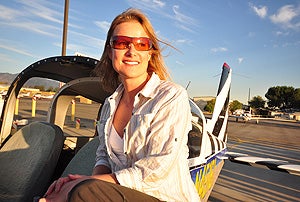
It was a beautiful day. Light winds. Clear skies. Towering, snowcapped Rocky Mountain peaks surrounded the 9,000-foot runway at Eagle, Colorado, from which I was about to depart. I was at the controls of a Pilatus PC-12, a sizable single-engine turboprop built to carry thousands of pounds of people or gear. Today we were light. Just two people and full tanks.
Transitioning to Turboprops

Key Takeaways:
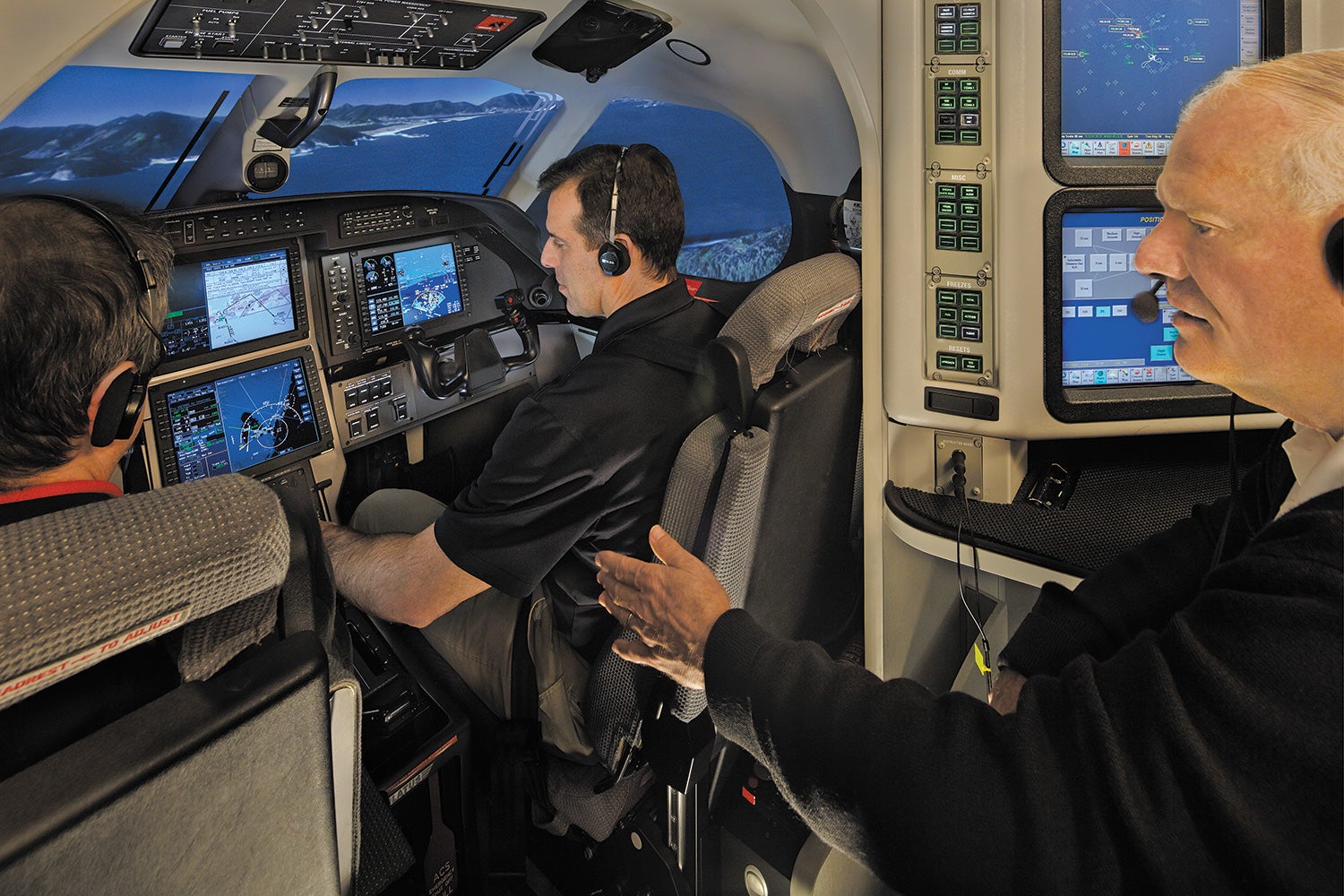
- Piloting single-engine turboprops requires extensive specialized transition training, often mandated by insurance companies, despite not always requiring an FAA type rating.
- Turboprops, while easy to operate normally, possess complex systems and fly at higher speeds and altitudes, necessitating deep knowledge of emergency procedures for safe operation.
- Full-motion simulators are crucial for effectively practicing critical, time-sensitive emergency scenarios (e.g., engine failure, runaway trim, hypoxia, smoke in cockpit) that are too dangerous or impossible to replicate realistically in a real aircraft.
Key takeaways sponsored by Aviator Pro | Start Your Training ->
See a mistake? Contact us.