











We spend a lot of time and space here fretting about training. In this issue, for example, regular contributor Bob Wright discusses the need for and obstacles to better integration into our training infrastructure of risk management concepts. Similarly, were always writing about getting with an instructor and practicing 288
Training Crisis?
We spend a lot of time and space here fretting about training. In this issue, for example, regular contributor Bob Wright discusses the need for and obstacles to better integration into our training infrastructure of risk management concepts. Similarly, were always writing about getting with an instructor and practicing various maneuvers or procedures. But none of this is easy, nor inexpensive.Weve also railed from time to time about what Ill call the "FBO experience." Too often, when a well-off prospective student and airplane owner drives his or her luxury SUV out to the airport to inquire about flying lessons, they are greeted in a dingy, poorly lit building by an uninformed employee who shrugs, saying, "Our flight instructor is up with a student."

Key Takeaways:
- The article identifies major flaws in general aviation pilot training, including outdated materials and methods (e.g., teaching ADFs), lack of integrated risk management, and inexperienced instructors.
- It criticizes the "FBO experience" as often unprofessional and discouraging, with dingy facilities, uninformed staff, and negative interactions deterring potential new students.
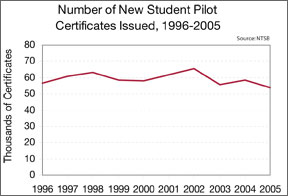
- These systemic issues, coupled with high costs, are blamed for declining student starts in general aviation, highlighting an urgent need for industry-wide improvement.
Key takeaways sponsored by Aviator Pro | Start Your Training ->
See a mistake? Contact us.

