
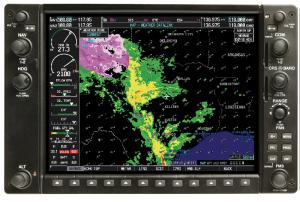


Nexrad radar is a wonderful tool for picking through areas of precipitation or diverting around thunderstorms. But like anything related to flying, good judgment is key. The information on the screen, whether you’re displaying it on panel-mounted avionics or a handheld unit, is not necessarily updated enough to be trusted to navigate through or skirt bad weather. After several accidents resulted from delayed Nexrad data, the NTSB has issued an alert to pilots, warning them about the possible lack of currency of the displayed data.
The NTSB triggered the alert after it learned that the time delay presented on the Nexrad display does not provide accurate data. The NTSB report emphatically states that “weather conditions depicted on the weather image will ALWAYS be older than the age indicated on the display,” and that the age indication on the display is in fact the amount of time that has passed since the image was created by the service provider. The data could be 15 to 20 minutes older than what is indicated by the display, according to the report.