
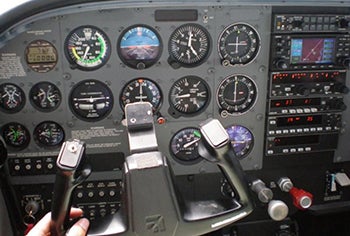


The trend among aviation educators to ingrain in students the importance of keeping their eyes looking outside the cockpit is excellent counsel in an increasingly digital world. But an equally important piece of the safety puzzle is to use everything in our arsenal, from our eyes to our ears to the avionics in the panel, to minimize risks.
To help avoid the kind of complacency that can get us into trouble, we should strive to pull together all the information at our disposal on every flight to break any potential link in the proverbial accident chain. That means possibly changing how we think about the oft-maligned concepts of head-down time and cockpit automation.