














Register

Revisiting the PC-12 Crash

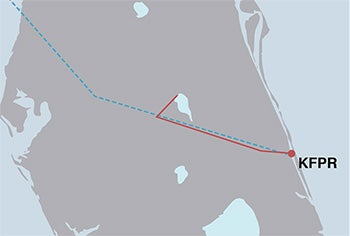
** The PC-12, with six aboard, had barely begun its trip
when the pilot lost control of the airplane.**
Gemini Sparkle

Key Takeaways:

  • The Pilatus PC-12 crash detailed involved an instrument-rated pilot failing to control the aircraft after autopilot disengaged, leading to an uncontrolled spiral dive where it exceeded structural limits at high speed and G-forces.
  • Airplanes are inherently susceptible to spiral dives if left uncontrolled, especially in IMC. A critical pitfall during recovery is inducing excessive G-forces, particularly if the aircraft gained high speed from a low-speed trim.
  • Safe spiral dive recovery requires leveling the wings while trimming nose-down and potentially pushing the yoke forward, and increasing drag (e.g., lowering gear), to reduce speed gradually and avoid G-force induced structural breakup.
See a mistake? Contact us.

In my March Aftermath column on the 2012 crash of a Pilatus PC-12 in Florida, I faulted the National Transportation Safety Board for mixing up indicated and true airspeeds. Actually, it was I who misread the report. I am indebted to reader Timothy Burtch, an accident investigator with the NTSB, for pointing out that the maximum speed of 338 knots that the airplane reached in a spiral dive before it broke apart was, in fact, an indicated airspeed, not a true one, and that the airplane did, therefore, exceed its maneuvering speed by
175 knots as the report stated.

The Pilatus, with a family of six aboard, was climbing through FL 250 in IMC. It was at 109 kias, in a 25-­degree right bank, deviating to avoid an area of rain, when the autopilot disengaged for unknown reasons. Presumably a chime sounded and a warning light illuminated, but the pilot seemingly did nothing to take control of the airplane. The baffling aspect of that accident was the pilot’s apparent failure to act even when the airplane was vertically banked and plunging downward at a horrific rate.

Peter Garrison

Peter Garrison taught himself to use a slide rule and tin snips, built an airplane in his backyard, and flew it to Japan. He began contributing to FLYING in 1968, and he continues to share his columns, ""Technicalities"" and ""Aftermath,"" with FLYING readers.

Ready to Sell Your Aircraft?

List your airplane on AircraftForSale.com and reach qualified buyers.

List Your Aircraft
AircraftForSale Logo | FLYING Logo
Pilot in aircraft
Sign-up for newsletters & special offers!

Get the latest stories & special offers delivered directly to your inbox.

SUBSCRIBE
