











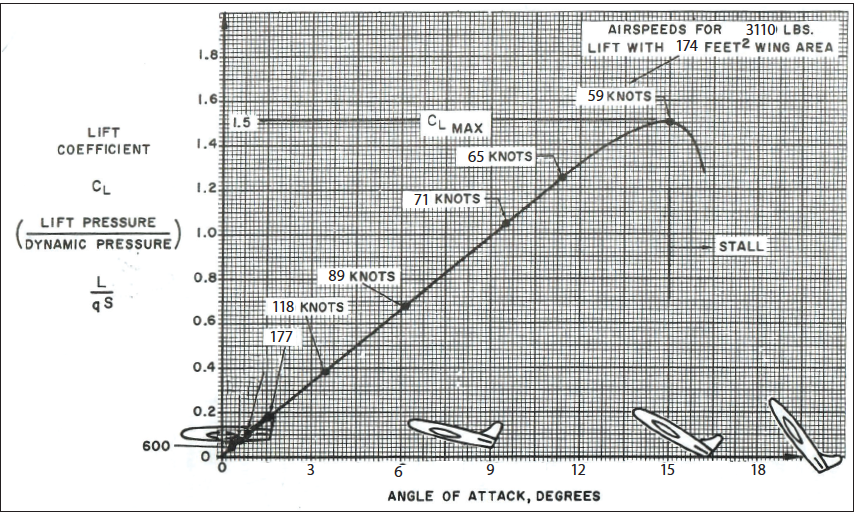


Aerodynamic wing stall accidents have been a concern since the canard was removed around 1910. Approximately 40 percent of General Aviation fatal accidents are due to loss of control with the majority of those being from stalls. One element of stall awareness training that’s not often taught is the details of sensors used to detect an aerodynamic wing stall and then how those sensors are used in a stall-warning system. Let’s fix that shortcoming.
Stalls
Stalls can happen at any airspeed, but only one angle of attack, the critical angle of attack. The airspeed changes with numerous variables including weight, load factor (bank/ G loading), center of gravity, air density, wing contamination (ice), etc. The wing’s angle of attack is the critical factor in determining how close the aircraft is to an aerodynamic stall. Therefore, an angle-of-attack (AoA) sensor is the ultimate stall warning and protection system.

