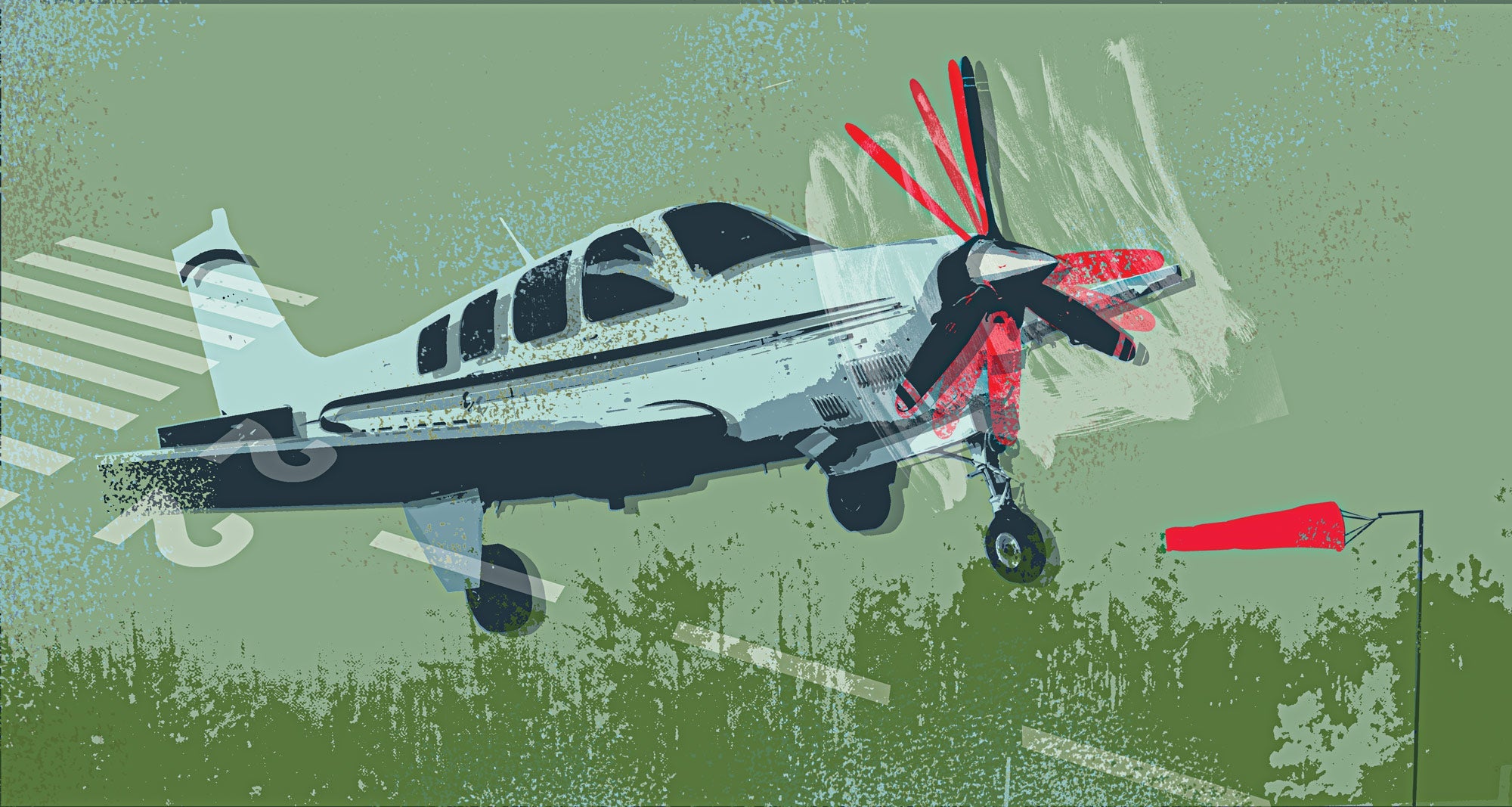
During takeoff, an aircraft is in a vulnerable place. Stall/spin accidents are among the most common fatal accidents in general aviation. [Credit: Clare Nicholas]
Key Takeaways:
Stalls during takeoff are a significant cause of fatal accidents, often stemming from pilot decision-making errors and improper aircraft preparation or configuration.
Common contributing factors include exceeding weight limits, incorrect elevator trim, an aft center of gravity, and not properly configuring the aircraft for takeoff.
Even external factors like engine failure, bird strikes, or adverse weather (downdrafts, wind shear) require precise pilot action to avoid inducing a stall at low altitude.
Recovery from a low-altitude stall is extremely difficult and rarely successful, emphasizing that prevention through good airmanship, proper planning, and quality training is paramount.
It’s a beautiful day, and you’ve decided to take advantage of the flying club Cessna 172 to take your friend on a sightseeing flight.
You did your weight-and-balance planning properly, ensuring that you were in the weight and center-of-gravity (CG) limits. Your preflight revealed no potential surprises. Now you’re lined up on the runway, your pretakeoff checks completed.
CREATE A FREE ACCOUNT
Sign up to keep reading
Create a free account to continue. Already a member? Sign in below.