









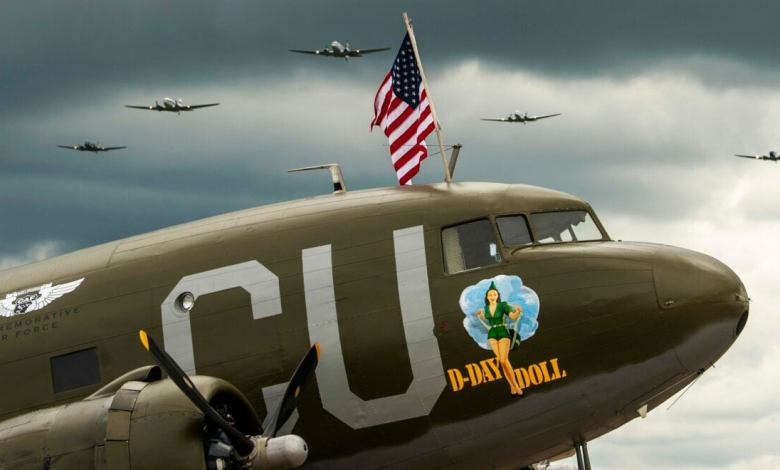
U.S. Air Force Marks 75 Years: 5 Things To Know
In the wake of WWII, the Department of the Air Force became a stand-alone service on September 18, 1947, created by the National Security Act signed into law by President Harry Truman.


In the wake of WWII, the Department of the Air Force became a stand-alone service on September 18, 1947, created by the National Security Act signed into law by President Harry Truman.
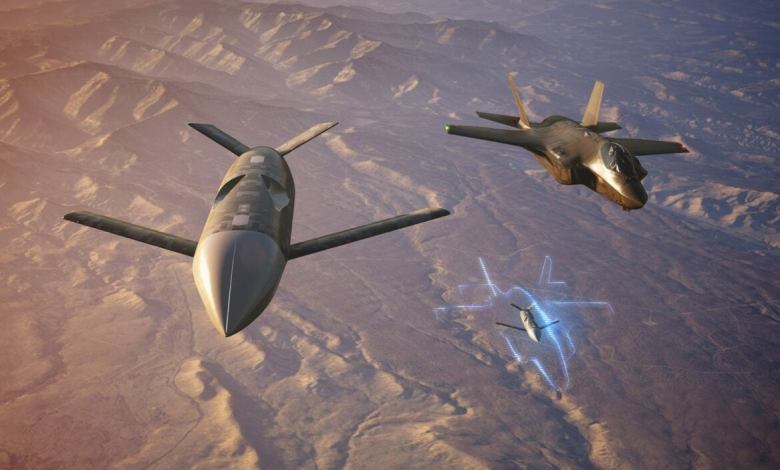
Lockheed Martin is investing $100 million into “Project Carrera” to explore human-machine pairing technology for fighter pilots and unmanned aircraft.
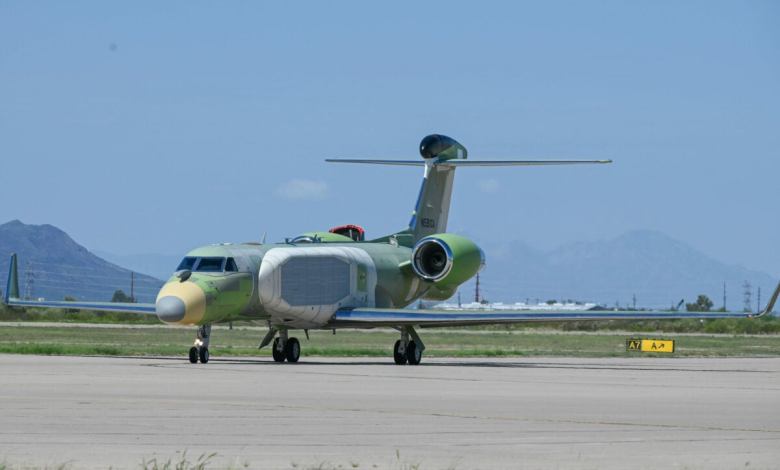
The EC-37B tactical jammer is slated to replace the C-130-based EC-130H Compass Call.
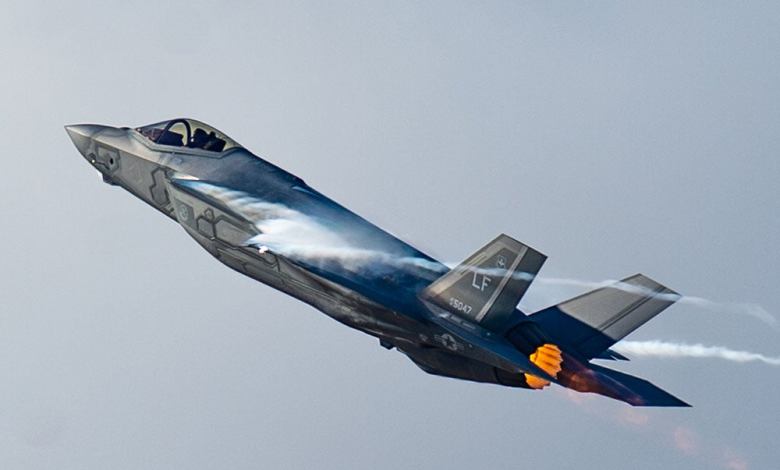
GE Aviation’s XA100 adaptive cycle engine is ready to progress from prototype into development following testing with the U.S. Air Force, the manufacturer said.
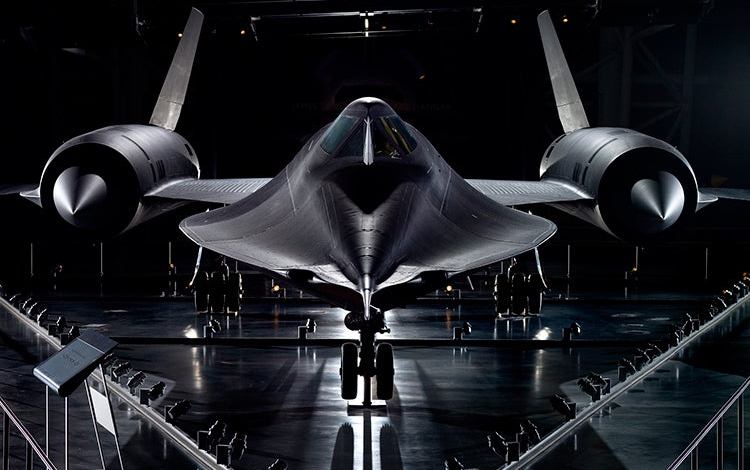
Following the loss of a U-2 reconnaissance aircraft over the Soviet Union on May 1, 1960, the Eisenhower administration sought a new aircraft from Lockheed (NYSE: LMT)—“one that would fly faster than any aircraft before or since, at greater altitude, and with a minimal radar cross section,” according to Lockheed Martin. Lockheed needed “to build […]

Wave testing of modifications that turn the Air Force Special Operations Command’s (AFSOC) clandestine cargo aircraft into virtual seaplanes capable of water take offs and landings is currently underway, according to a top command official.
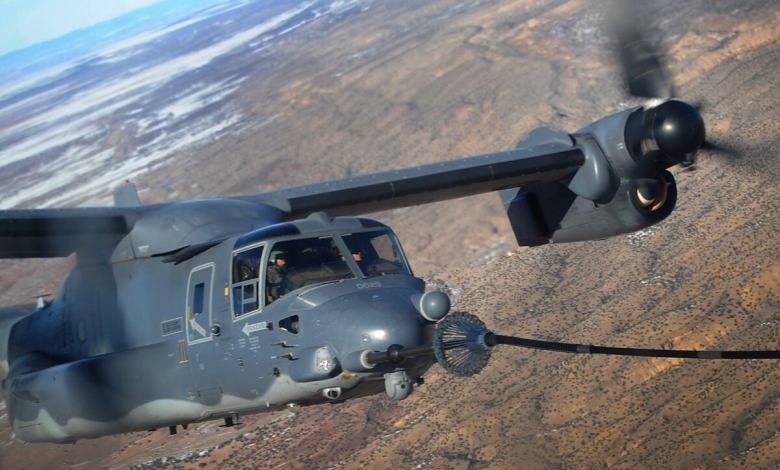
The Air Force Special Operations Command (AFSOC) has resumed CV-22 Osprey flight operations following a more than two-week stand down to investigate hard clutch engagement incidents.
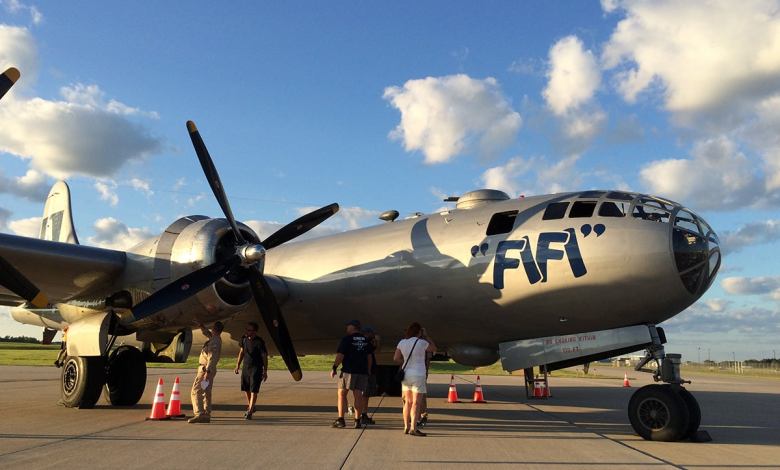
The most sophisticated propeller-driven bomber of the war fulfilled critical missions.
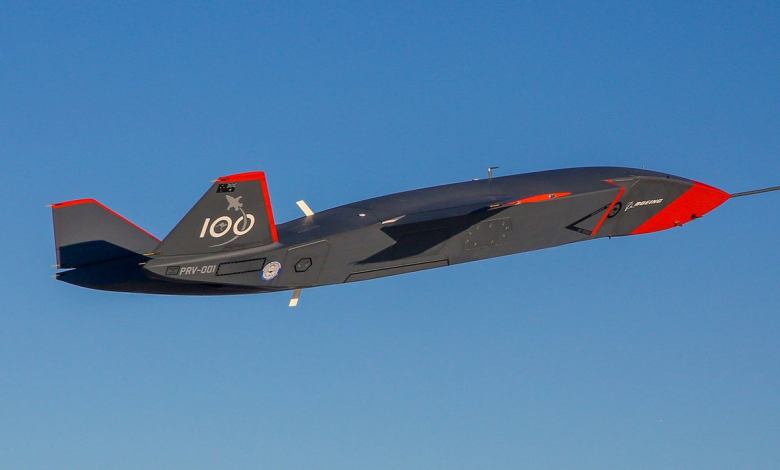
The U.S. Air Force is considering Boeing Australia’s MQ-28 Ghost Bat drone as part of the service’s gameplan to team an unmanned platform with the forthcoming Next Generation Air Dominance (NGAD) fighter.
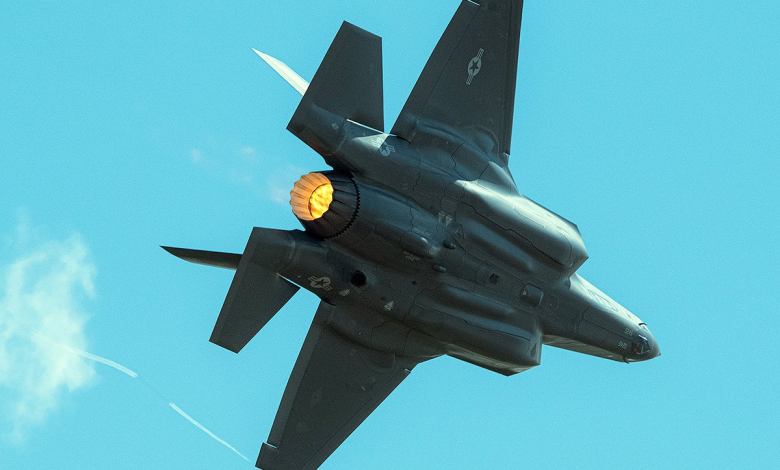
Contracts go to General Electric Aviation, Pratt & Whitney, Boeing, Lockheed Martin, and Northrop Grumman.

Get the latest stories & special offers delivered directly to your inbox.
SUBSCRIBE