













Register

Stall Series

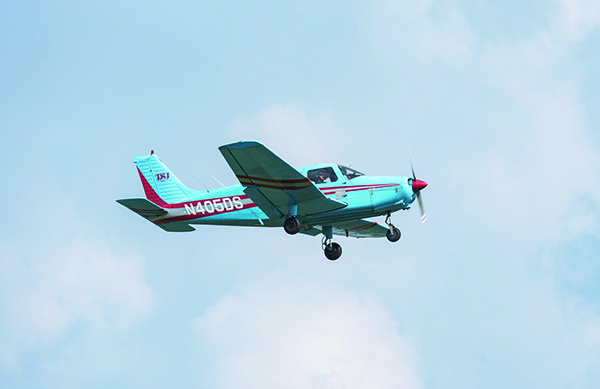
A Piper Warrior aircraft takes off Aug. 6, 2019, at Delaware Airpark in Cheswold, Del. The Delaware State University aviation program has 10 Piper Warrior aircraft that are used by cadets who attended the Air Force Junior Reserve Officers’ Training Corps Summer Flight Academy held at DSU in Dover, June 17 through August 8, 2019. (U.S. Air Force photo by Roland Balik)
Gemini Sparkle

Key Takeaways:

  • Stalls occur when an airplane's wing exceeds its critical angle of attack, regardless of airspeed, with specific outcomes varying based on factors like power, bank angle, and coordination.
  • The article details several distinct stall types: basic power-on/power-off, accelerated (due to increased G-loading), cross-control (from uncoordinated flight), elevator trim (often during go-arounds), and secondary stalls (from improper initial recovery).
  • Safe and effective stall practice requires strict adherence to safety protocols, including maintaining adequate altitude (minimum 3000-4500 feet AGL), performing thorough clearing turns, and configuring the aircraft correctly for the specific stall maneuver.
  • Regardless of the stall type, the fundamental recovery procedure involves reducing the angle of attack, leveling the wings while managing yaw, and then smoothly applying power to regain controlled flight and ensure pilot proficiency.
See a mistake? Contact us.

We all know—or should know—that an airplane’s wing stalls at its critical angle of attack. While that value varies from plane to plane and wing to wing, once that value is exceeded, the stall occurs, every time. What happens next depends on a variety of factors, including aerodynamic loading, attitude, bank angle, power and control surface deflection. Depending on these variables, the airplane could simply mush into a descent, spin off on a wing, or break straight ahead and pitch down. In fact, those same variables can determine the type of stall that occurs and how likely we are to get into one.

Planning and practicing stall entries and recoveries should be part of any proficiency training a pilot undertakes. And as with so many other maneuvers, we can do stalls on our own, without an instructor, which is both good and bad. The good part is it’s cheaper without an instructor. The downside is no one is around to watch for and catch mistakes or bad habits. And, as with so many things we do in an airplane, planning is important: questions like the type of stall to be performed and when recovery is to be initiated need to be settled before beginning. Here are some things to consider.


Ready to Sell Your Aircraft?

List your airplane on AircraftForSale.com and reach qualified buyers.

List Your Aircraft
AircraftForSale Logo | FLYING Logo
Pilot in aircraft
Sign-up for newsletters & special offers!

Get the latest stories & special offers delivered directly to your inbox.

SUBSCRIBE