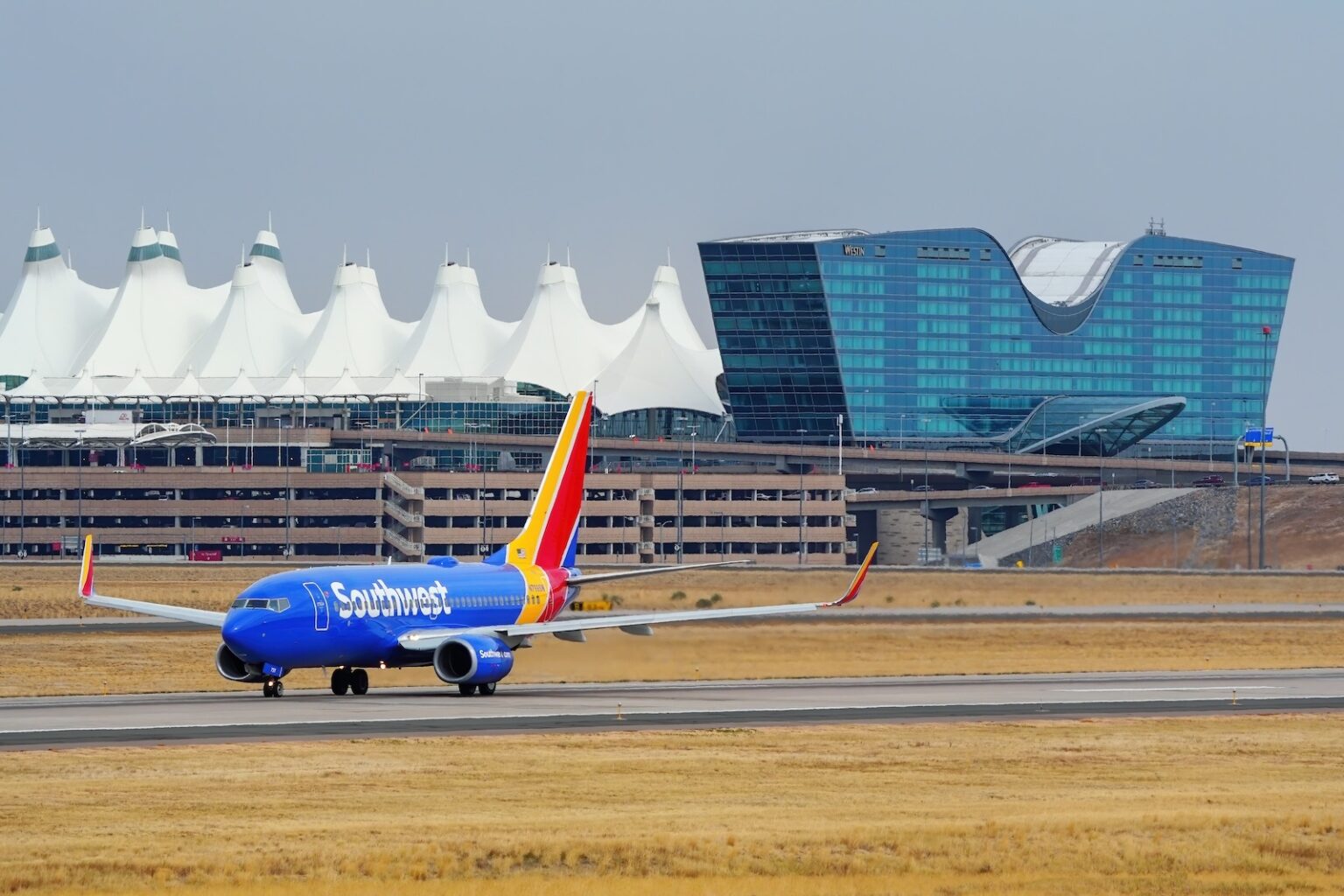
A Boeing 737 operated by Southwest taxis at Denver International Airport (KDEN). [Credit: Shutterstock]
Key Takeaways:
Southwest Airlines is undergoing a significant business transformation, shifting away from its long-standing low-cost model and iconic policies like open seating and universal free checked bags.
CEO Bob Jordan emphasizes these changes are customer-driven, aimed at providing more choices and amenities (like assigned seating, lounges, and premium fare bundles) to prevent customers from switching to competitors.
The airline is adopting elements of a more conventional model, including higher prices for perks previously offered for free or cheaply, and is even considering first-class seating and eVTOL services.
Despite these shifts, Jordan maintains Southwest's base fares remain lower than major competitors and anticipates a substantial profit surge in 2026, affirming the company's core values will remain unchanged.
Southwest Airlines may see less activist investor influence after Elliott Management—which pushed it to enact major changes, such as axing its long-standing open seating and “bags fly free” policies—reduced its stake in the carrier in February.
But CEO Bob Jordan said the airline is “not done” shaking up its business.
CREATE A FREE ACCOUNT
Sign up to keep reading
Create a free account to continue. Already a member? Sign in below.
Jack is a staff writer covering advanced air mobility, including everything from drones to unmanned aircraft systems to space travel—and a whole lot more. He spent close to two years reporting on drone delivery for FreightWaves, covering the biggest news and developments in the space and connecting with industry executives and experts. Jack is also a basketball aficionado, a frequent traveler and a lover of all things logistics.