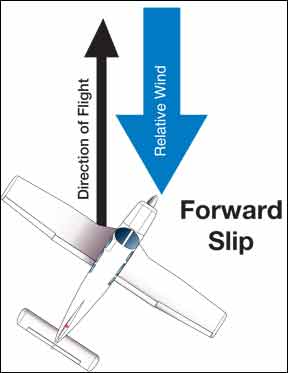
Though perhaps unintended, the results of Tom Turner’s survey of 100 CFIs concerning slips in the December 2011 issue (“Slips...Who Needs 'Em?”) further reinforce my experience that instructors—and by extension, the pilots they train—generally lack a solid understanding of slip dynamics. For example, the listed advantages of slipping focused mostly on stock answers: losing altitude, canceling crosswind drift. One respondent commented about fire. But what about the utility of slips and slipping turns for split flaps, jammed ailerons or a jammed rudder? Or asymmetric thrust events in twins?
Many flight instructors and pilots lack a comprehensive understanding of aircraft slip dynamics, propagating misconceptions about their utility, safety, and stall/spin characteristics.
The article highlights a debate on flight training efficacy, with one perspective arguing that many accidents stem from mechanical issues or fundamental pilot errors, while the editor emphasizes the crucial role of risk management and scenario-based training in developing judgment to prevent pilot-related mishaps.
Though perhaps unintended, the results of Tom Turner’s survey of 100 CFIs concerning slips in the December 2011 issue (“Slips…Who Needs ‘Em?”) further reinforce my experience that instructors—and by extension, the pilots they train—generally lack a solid understanding of slip dynamics.
288
CREATE A FREE ACCOUNT
Sign up to keep reading
Create a free account to continue. Already a member? Sign in below.