














According to drone detection and forensics provider SkySafe, there are too many drones in U.S. skies for the FAA alone to track them.
Per the agency, there are more than 820,000 FAA-registered drones—more than half for commercial purposes—as of July. That does not include recreational drones weighing below 0.55 pounds, which do not need to be registered. To improve oversight, the FAA in 2024 began enforcing its remote identification rule, requiring drones to be equipped with digital license plates that broadcast location, speed, altitude, and other data.

The problem, per SkySafe, is a lack of infrastructure to collect remote ID data. To solve it, the company is asking for your help.
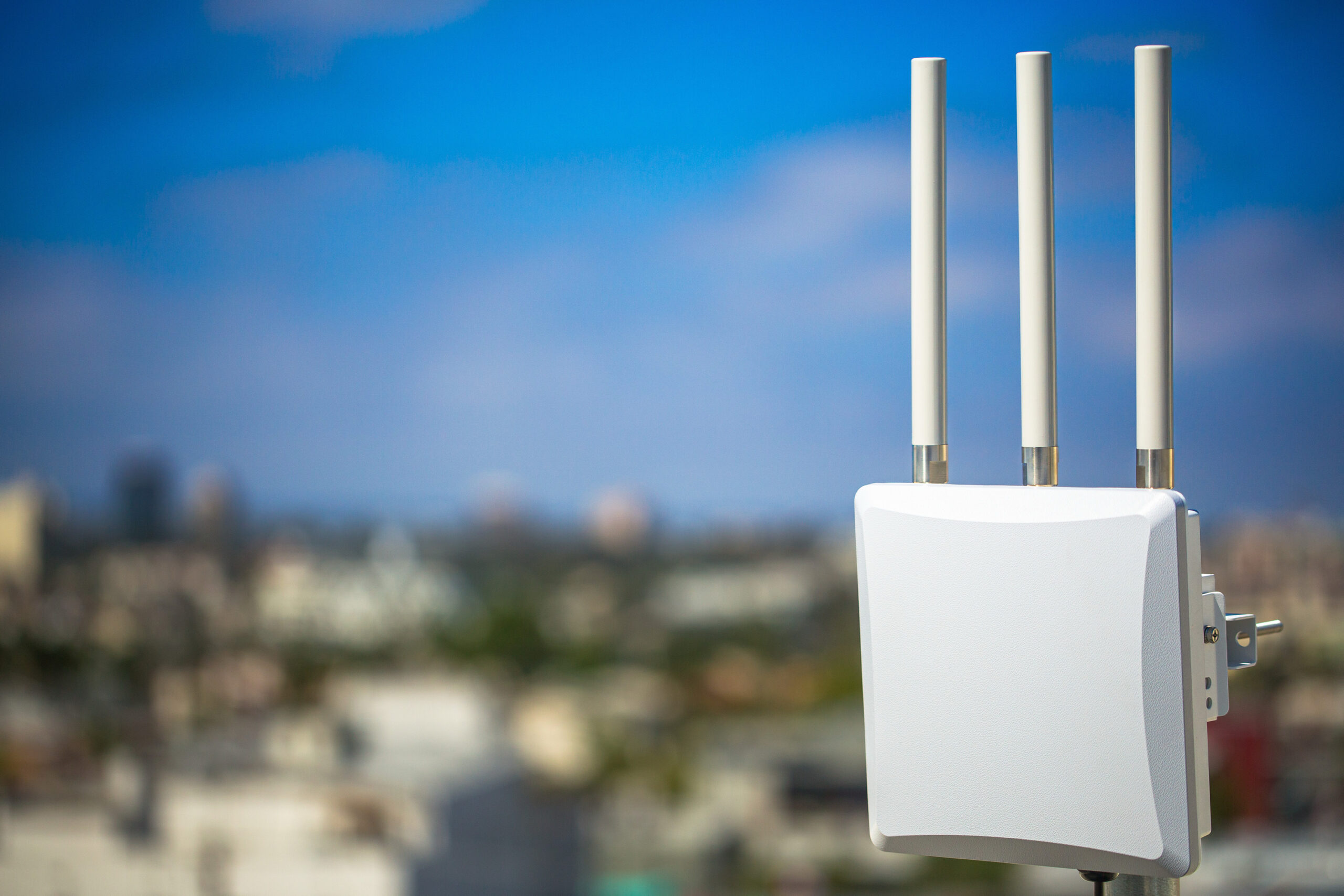
SkySafe on Tuesday unveiled FliteGrid, a nationwide, community-powered drone detection network akin to Wingbits. Anyone can participate in the decentralized network by purchasing a sensor. In exchange for collecting remote ID data, participants will earn points that SkySafe said will later be transferable to virtual $FLITE tokens.
The data collected via FliteGrid will ultimately become available to SkySafe customers on its core platform. The company already provides services for law enforcement agencies and infrastructure and utility providers, as well as security for events such as the PGA Tour and University of Illinois Urbana-Champagne football games.
“This isn’t a new direction for SkySafe,” CEO Grant Jordan wrote in a blog post. “It’s a natural extension of our mission. Our core focus remains on delivering the most advanced intelligence platform for governments, enterprises, and critical infrastructure. With FliteGrid, we’re creating an opportunity for the broader public to engage with that vision, and to participate in building the foundation of safer, more transparent skies.”
Each FliteGrid Node sensor costs $949, and preorders opened Tuesday. Initial shipments are expected in early-to-mid-2026, by which time SkySafe will finalize a reward and tokenomics structure. Before shipping, customers can cancel and receive a full refund if they are dissatisfied with the investment. The $FLITE token could launch as soon as 2027.
Why Now?
The intention of the FAA’s remote ID rule is to ultimately build a nationwide uncrewed aircraft systems (UAS) traffic management (UTM) network, creating a resource akin to the publicly available ADS-B Out data on FlightAware.
At present, there are gaps in oversight. This year, for example, an Embry-Riddle Aeronautical University-led study identified drone “hotspots” where the danger of a collision with crewed aircraft is elevated—including locations like airports and heliports. Researchers found that limited remote ID coverage and adoption contributed to that risk.
In September, more than 30 U.S. state and territorial governments requested federal counter-drone assistance to combat a spate of unauthorized drone sightings. Incursions have been reported at professional sporting events, sensitive military installations, and other sites.
The challenge of tracking these drones may only grow more difficult. In August, the FAA published its proposed Part 108 rule, which would expand beyond visual line of sight (BVLOS) operations and allow drones to fly in certain controlled airspace.
President Donald Trump, meanwhile, has issued executive orders intended to boost domestic drone production and oversight.
How You Can Track Drones
By distributing sensors to FliteGrid participants nationwide, SkySafe aims to bolster its coverage of remote ID-enabled drones.
According to the company, the sensors are easy for participants to install on their own. They must be placed in a high location with a clear view of the sky, such as a rooftop or balcony. Once online, the sensors automatically collect and share real-time data.
SkySafe will centrally aggregate and analyze the data. But the network itself is decentralized, meaning participants will be able to view data from their own sensor, as well as live coverage maps and community statistics.
According to SkySafe, FliteGrid will be a multiyear initiative that could expand to other countries as they adopt remote ID standards. It could also one day include sensors that track other broadcast data.
Whether private or community-based, third-party drone detection networks are a part of the FAA’s vision for the future of airspace safety. Part 108, for instance, proposes the creation of a new Part 146 that would regulate automated data service providers (ADSPs), which would be certified by the FAA to provide strategic deconfliction and conformance monitoring services.
Before the rule is finalized, though, the regulator will need to address comments from pilots, thousands of whom expressed concern with certain provisions in the proposal. Depending on the permissiveness of the final rule, third-party UTM networks may need to be stood up quickly to handle an influx of new operations.

