













Register

Radio Readback Could Save Your Life

On any given day, per National Air Traffic Controllers Association statistics, theres an average of 87,000 flights over the U.S. Dozens of these pilots may be on the same ATC frequency. They could be dodging weather, descending into complex terminal airspace, or conducting military operations. Perhaps theyre just out for a sightseeing flight or training. As they fly, theyre checking in, replying to instructions, taking frequency changes, and making requests.

Gemini Sparkle

Key Takeaways:

  • Proper read backs are crucial for aviation safety, enabling controllers to confirm instructions and prevent potentially dangerous misunderstandings.
  • Pilots should always include their call sign in transmissions and read back critical "numbers" such as altitudes, headings, speeds, and frequencies for mutual verification.
  • While some regulations use "should" rather than "must," pilots are strongly advised to treat all critical instructions, especially runway assignments and mandatory hold short commands, as essential for read back to ensure safety.
See a mistake? Contact us.

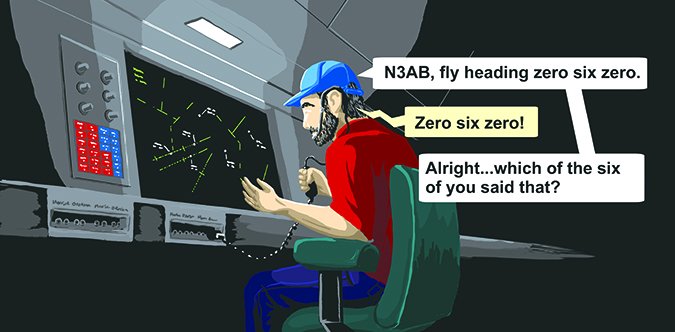
The cornerstone of aviation communication is the read back/hear back loop. As an air traffic controller issuing hundreds of instructions daily, ensuring each one is both understood and executed is just another part of my job.

Unfortunately, many pilots play loose with read backs. A little sloppiness is expected from students, but every day, we encounter pilots driving everything from airliners and corporate jets to military fighters that aren’t giving us the responses we need on the radios.


Ready to Sell Your Aircraft?

List your airplane on AircraftForSale.com and reach qualified buyers.

List Your Aircraft
AircraftForSale Logo | FLYING Logo
Pilot in aircraft
Sign-up for newsletters & special offers!

Get the latest stories & special offers delivered directly to your inbox.

SUBSCRIBE