













As the airplane rose to prominence as a viable means of transportation in the early 1900s, so too did the idea of a future where individuals would commute everywhere via personal aircraft. But a century later, the lack of the necessary infrastructure and the high cost of flying continue to make commuting by airplane an option available only to a select few. Yet when it comes to the affordability of getting to work in an airplane, circumstances matter.
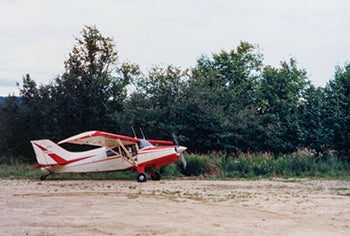
For those like Dennis Baer, who commute to an area easily reachable by car and can’t write off their use of an airplane as a direct business expense, the costs can be steep. For others who live in a region where getting around via car is a more difficult proposition, the economic rationale for commuting via airplane is much more robust. Frank Honorof computed that using his Maule MX7, purchased for $61,000, as a means of transportation in remote northern Idaho was actually cheaper than traveling around the area in a car. “When one compared cost of operation with mileage generally cut by 65 percent and gas usage about the same as the Suburban, it was not only more convenient to fly but economically sound, as well,” Honorof writes in his memoir.

