













Taxiing In Winter Winds

Chris Gall
Gemini Sparkle

Key Takeaways:

  • Winter taxiing requires special attention due to factors like icy surfaces, reduced control, and stronger, less predictable winds.
  • Specific control techniques are crucial for managing crosswinds during taxiing: lifting the upwind aileron for direct crosswinds, "diving away" for quartering tailwinds, and "banking toward" the wind for quartering headwinds.
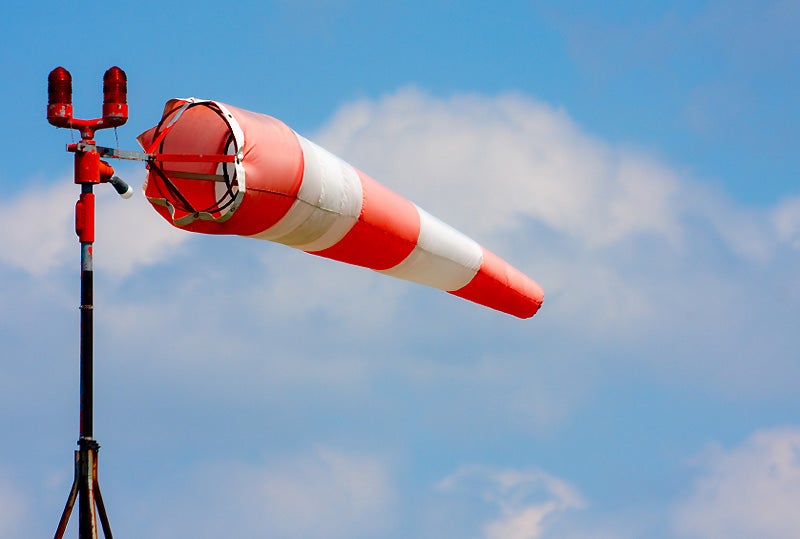
  • Pilots must constantly monitor the windsock for sudden changes in wind direction and recognize when conditions are too severe for safe taxiing, opting for secure tiedown or hangar storage.
See a mistake? Contact us.

Winter operations involve a lot of adjustments. Just getting to and from the runway becomes more of a factor in our planning, and requires some attention. Taxiways might be icy, leading to reduced steering and braking effectiveness. And just when we have less control where the rubber meets the road, winter winds are often stronger, gustier and less predictable.

It takes hands and feet to stay on your toes when taxiing in windy conditions. With a direct crosswind, the technique is to deflect the upwind aileron upward to spoil lift on the wing facing the wind. That’s pretty intuitive. You want to keep that wing down. Meanwhile, your feet will be busy overcoming the weathervane effect of the wind wanting to push the tail around. You’ll be using nose wheel steering, rudder deflection and, if need be, brakes. Of course, there will reach a point when the wind is just too strong — especially if the runway is slick from snow, slush or ice. Then the best technique is to defeat the wind by using tiedown ropes — or better yet, a heated hangar and a cup of something warm.


For taxiing nosewheel airplanes in quartering crosswinds, our primary instruction manuals showed diagrams for the best way to position the controls, but one of my instructors taught me a rule that is much easier to remember. He said, “For a quartering tailwind, ‘dive’ away from it [up aileron on the upwind wing, forward pressure on the elevators]. A quartering headwind? ‘Bank’ toward the wind to keep the upwind wing down — but keep the elevators basically neutral.” And it also pays to keep a corner of an eye on the windsock, because the wind direction can shift 90 degrees in a heartbeat.

I have little trouble remembering this technique. Maybe it’s because I’m envisioning the airplane as already flying.

Call to action: If you have any tips of your own you’d like to share, or have any questions about flying technique you’d like answered, send me a note at enewsletter@flyingmagazine.com. We’d love to hear from you.

Mark Phelps

Mark Phelps is a senior editor at AVweb. He is an instrument rated private pilot and former owner of a Grumman American AA1B and a V-tail Bonanza.

Ready to Sell Your Aircraft?

List your airplane on AircraftForSale.com and reach qualified buyers.

List Your Aircraft
AircraftForSale Logo | FLYING Logo
Pilot in aircraft
Sign-up for newsletters & special offers!

Get the latest stories & special offers delivered directly to your inbox.

SUBSCRIBE