When a Pilot’s Decision to Fly at Low Altitude Proved Fatal
Pilots like to fly low, so what can we learn from this 2017 Cessna 172 accident?
An acquaintance named Mark Burton recently sent me a copy of his book about an airport owned and operated by his family called Brownie’s. A few days later, I met a guy at a party who regaled me (unsolicited) with wild and woolly tales about flying out of a now defunct airport called Brownie’s with […]
If there’s one continuous strand that winds through the motley tapestry of my life, one single word that sums up who I am and what makes me tick, it’s wanderlust. My family, youth, career, marriage and passions for motorcycling, sailing and flying are all tied together by a constant, inveterate urge to head over the […]
When John came to in the hospital a number of years ago after a lapse of consciousness, you will appreciate that the very first concern he expressed was for his aviation medical certificate. Perhaps the most significant and deeply personal touchpoint with the FAA for every pilot is the medical certification process. To a pilot, […]
An approach to safety of dont have an accident and always effectively weight risks doesnt work because we dont take actions we think will cause accidents. Tom Turner recently presented a Wings seminar, Stop Teaching About Safety, covering this. Safetys an integral outcome, not a separate goal. Instead, he suggested approaching flying as its master and commander: The result will be safety. While being master and commander will work for all pilots, the instrument environment presents unique challenges to achieving that goal.
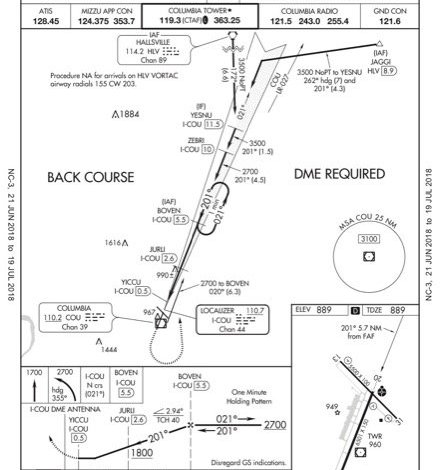
Richfield was forecast to be overcast 2000 or better all day, so you didnt file an alternate and didnt carry alternate fuel. So thats the situation: 12,700 MSL at EBOVE, no GPS, no DME. Even turn off GPS location on your iPad if you have that. (In ForeFlight, this is in settings, scroll to the bottom, and set Enable Ownship to Never.) Give yourself 45 minutes of fuel at normal cruise. No one said you were good at planning.
When average Americans wake up and go to work every day, they expect to see mostly the same faces, same routine, the same stuff-like the expression same stuff, different day suggests. When pilots and air traffic controllers go to work, its often the same coworkers in the room or cockpit, but we both work with people on a daily basis that we have most likely never met. In fact, the chance that a center controller has met a pilot that they talk to on the radio is miniscule. Tower and TRACON controllers might have a somewhat higher chance.
The day starts in Mansfield, Ohio by stuffing your Piper Arrow to its max gross weight. The plan is to stop for fuel at Queen City Municipal in Allentown, Pennsylvania on the way to Massachusetts. You load three other people, bags and as much fuel as weight permits-25 gallons. Meticulous flight planning shows 1.7 hours to get to KXLL, burning 9.2 gph. This leaves one hour of reserve, slightly buffering the legal minimum 45-minutes of 91.167(a)(3). And, youve diligently followed 91.103 as far as knowing all available information for the flight, including weather, runways and some backup airports should you need to stop en route.
Flying brings pilots into all kinds of unexpected meteorological hazards. Normally we present you with introductory articles about these topics so you can understand what they are, where they occur, and how they work. But sometimes presenting an actual case study from NTSB reports really drives the point home. We see the hazard vividly from the perspective of those who faced this same sort of trouble. We can see actual data reconstructed from that day, challenging us to ask questions for, hopefully, a safer outcome for ourselves.
At my home field in Farmindale, NY, (KFRG), one Sunday I was entering the pattern after a long trip. A student soloing in a Cessna 172 was in the pattern doing touch-and-goes. I heard the following exchange.Republic Tower: Cessna Two Six Seven Three Bravo, cleared for touch and go. Make right traffic and report the downwind.