Register

Pilot Proficiency

On the Record: Cessna 152

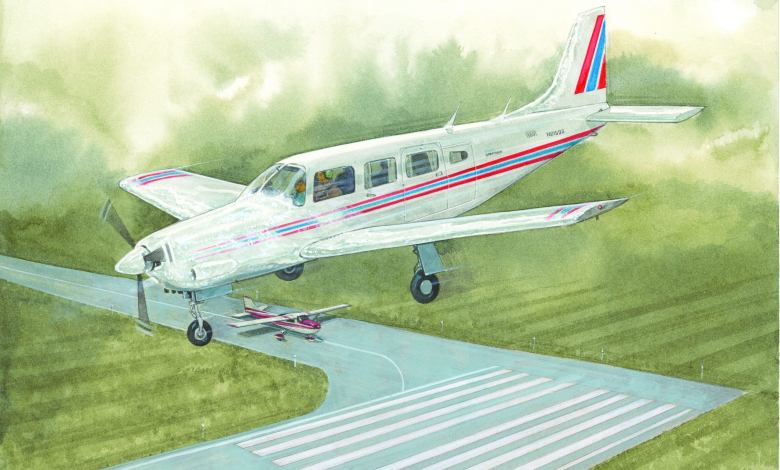
Cessna 152 Newnan, Georgia / Injuries: 1 Uninjured The solo student pilot reported that he was on final approach for a full stop landing when he observed another airplane waiting for the active runway. He intentionally landed long to accommodate the traffic and then “made [the] decision to keep up speed” in order to exit […]

Read More »

On the Record: Schweizer 269C

Schweizer 269C Newberg, Oregon / Injuries: 2 Fatal The instructor and student were conducting a night orientation flight. According to a witness who worked for the operator, about 15 minutes after the helicopter departed, he heard what sounded like an engine rollback and the helicopter making an autorotation. This was followed by the sound of […]

Read More »

Aftermath: Failure to Focus on the Overall Situation

“The entire normal operating checklist for the new Embraer Phenom 100 light business jet fits on both sides of a laminated card that you can slide into a shirt pocket,” former Flying editor Mac McClellan wrote approvingly in his 2009 report on the airplane. “The Phenom is designed to cut pilot workload to a minimum […]

Read More »

Winter Airplane Accidents

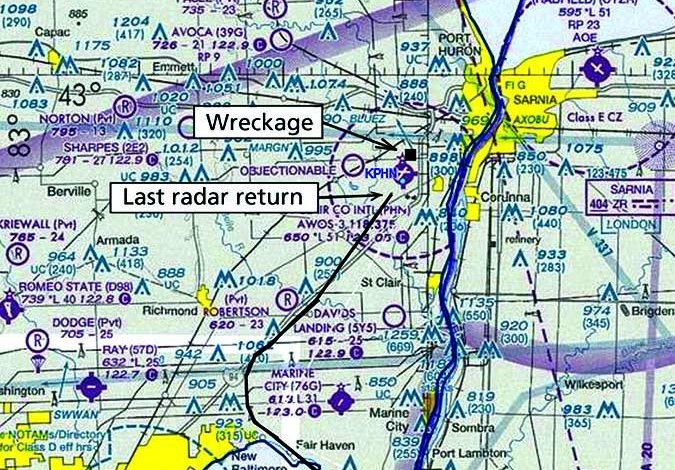
Investigators also found that there was an absence of radar returns for the aircraft as it moved over the airfield, suggesting that it was below radar, which is only 500 feet AGL here. The wreckage imprint on the trees suggested a shallow descent angle. This suggested the pilot was hunting close to the ground trying to acquire the runway visually. Unfortunately, he was already past the airport.

Read More »

The FAA Regulation that Gives the PIC the Last Word

Shakespeare wrote that “brevity is the soul of wit,” but apparently that memo never made it to 800 Independence Ave. Any pilot who has spent more than a few minutes doing battle with the 3-inch-thick book of federal aviation regulations knows the FAA specializes in long, complex rules that try to cover every possible scenario. […]

Read More »

How It Works: TKS Ice Protection System

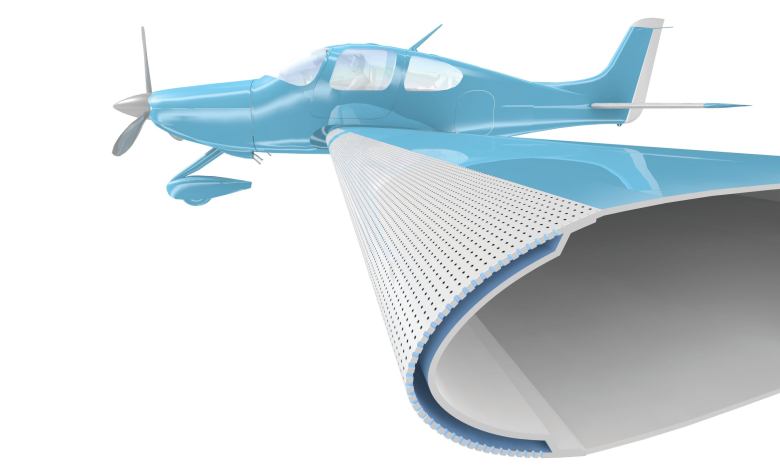
First developed in World War II, TKS systems were created for Royal Air Force bombers as an alternative to pneumatic boot deicing. Today, the technology continues to buy crucial time for pilots as they work to implement exit strategies when faced with dangerous icing conditions. How It Works TKS systems dispense an ethylene glycol-based fluid with a freezing […]

Read More »

Low Clouds and Fog

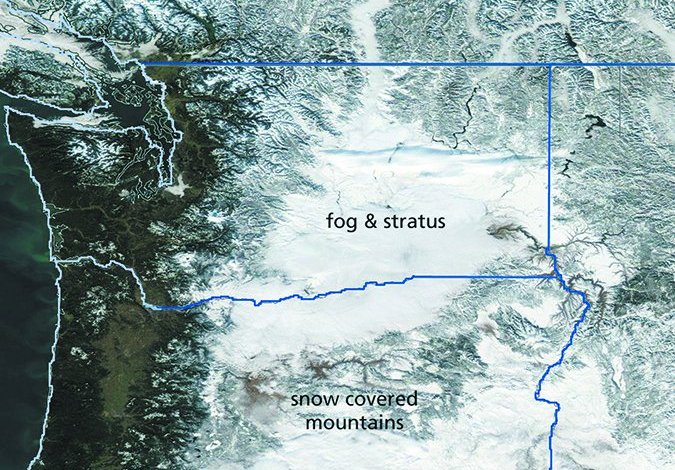
November in the U.S. means the risks from thunderstorms have disappeared everywhere except the Gulf Coast region as a new set of problems emerge, from icing to turbulence to low clouds, fog, and high winds. A breakdown of accident statistics helps tell us where to focus our attention first. Using a 2003-2007 study, we find that where weather was a cause or contributing factor, low ceilings and visibility were the #2 factors, involved in 18 percent of all weather-related accidents.

Read More »
Pilot in aircraft
Sign-up for newsletters & special offers!

Get the latest stories & special offers delivered directly to your inbox.

SUBSCRIBE