Register

Pilot Proficiency

Technicalities: What Worked and What Didn’t

After 14 years of flying my second homebuilt, preceded by nine years in my first, I wish I could say that most things that can go wrong already have, but the gods might think me insolent. By now, however, I can at least say with some confidence what has worked and what has not. My […]

Read More »

Unusual Attitudes: Shaking Things Up at Bristol Village

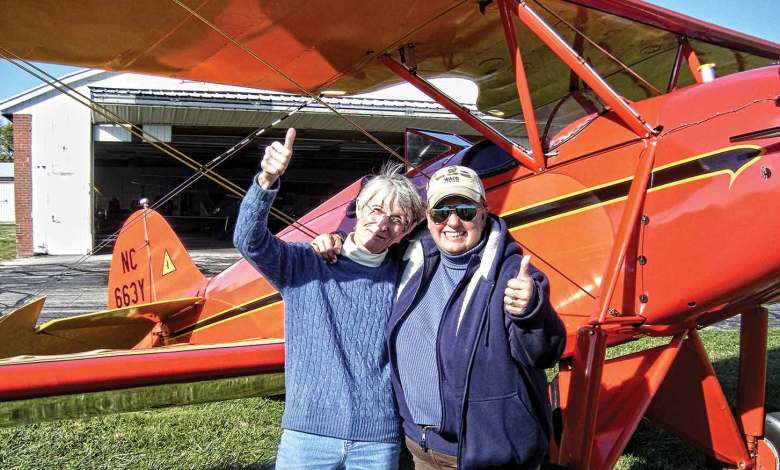
I hadn’t seen Jerry Kemp in a while, but an email from him recently brought a flood of memories and a delightful (in retrospect) reminiscence about this hero and friend, an FAA safety meeting and a place called Bristol Village in rural southeastern Ohio. By the late 1980s, I’d swapped my job as principal operations […]

Read More »

Taking Wing: Absence Makes the Heart Grow Fonder

Among the various fascinating denizens of the air sharing our friendly skies, there are a great many creatures of habit — but perhaps none quite to the degree of the common airline pilot. This species, to which I belong, takes great pride and comfort in its everyday routines, the highly scripted rituals of flight and […]

Read More »

Human, All Too Human

After decades of faulting pilots involved in collisions or near-misses for inadequate vigilance, the NTSB now officially concedes that see-and-avoid is a highly unreliable system.

Read More »

Pilot’s Discretion: The Tyranny of Efficiency

I had to cancel a flight the other day and go airline, and I was mad at myself. Not because I made the wrong decision — a cutoff low aloft meant the weather along my route was really ugly — but because my priorities were out of whack. I had squeezed flying into a narrow […]

Read More »

I Learned About Flying from That: Change of Plans

On the morning of December 29, 2015, I was planning a flight in my flying club’s Piper PA-28-235 from Northwest Regional Airport (52F) in Roanoke, Texas, to Clark Field Municipal Airport (KSEP) in Stephenville. The idea was to have lunch at a favorite barbecue restaurant. I planned to depart 52F and land at Fort Worth […]

Read More »

How It Works: Angle of Attack Indicator

An angle of attack indicator offers a visual indication of the amount of lift the wing is generating at a given airspeed or angle of bank. The AOA delivers critical information visually or through an aural tone to indicate the actual safety margin above an aerodynamic stall. AOAs are created around one of two systems, […]

Read More »

FlightSafety’s HondaJet Training

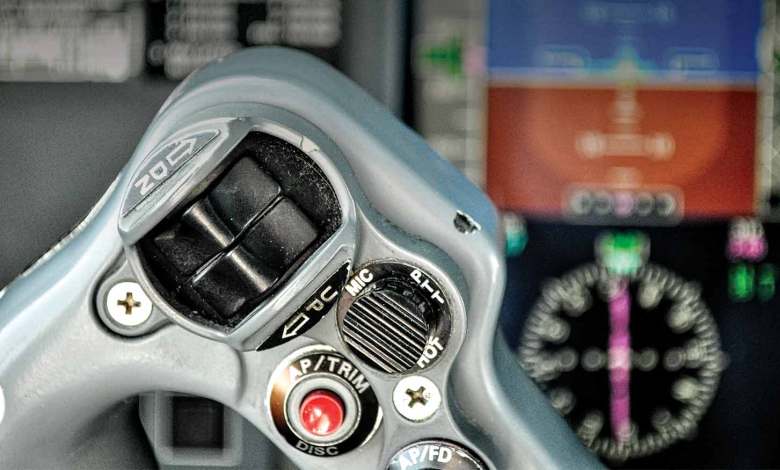
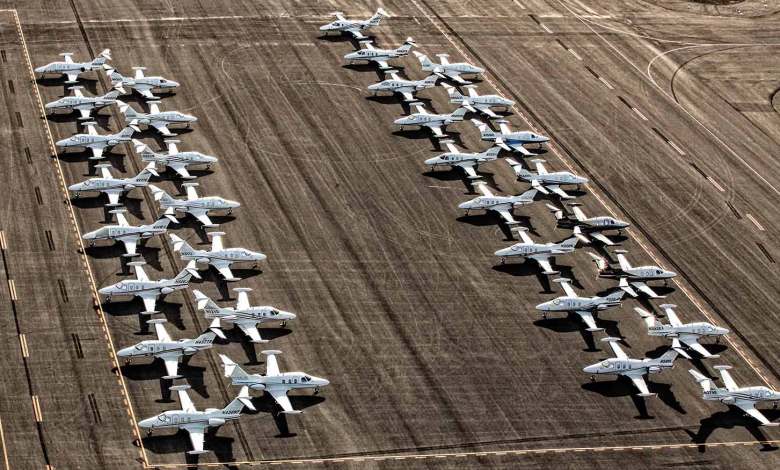
“Airspeed alive. Eighty knots. V1. Rotate,” I said as I rolled down Runway 18C at Memphis International Airport in HondaJet N420HB. Immediately after rotation — boom! One engine failed. “Lots of right rudder. Heading bug centered. Positive rate, gear up. Pitch for V2. Push FLC. Altitude check, autopilot on. Continue climb to 2,000 feet. Select […]

Read More »

Echoes Of Errors Past

Youve probably heard the morbid axiom: FAA regulations are written in blood. Many of the rules fattening the books governing pilots and air traffic controllers were brought about by unfortunate incidents. Line up and wait (LUAW) is a significant example. Its an inherently risky maneuver: a controller places an airplane on a runway but doesnt let them take off due to other traffic using the runway or on final to that same runway.

Read More »

Windshear Weather

Last month, Handling Windshear, described how to recognize, avoid and, handle an encounter with windshear. The focus of that article was the practical side of piloting but we necessarily touched on the basics of the weather behind thunderstorms, microbursts and windshear. Now its time to dig deeper into that meteorology.

Read More »
Pilot in aircraft
Sign-up for newsletters & special offers!

Get the latest stories & special offers delivered directly to your inbox.

SUBSCRIBE