











In Aprils “Using Ground Effect,” I think the author made an inaccurate and misleading statement concerning the aerodynamics of ground effect. The article wrongly asserts Newtons equal and opposite force has different effects when operating close to the ground as opposed to at altitude. He states, “At altitude, of course, theres no reaction between this downward forced air and the wing because 288
Physics 101
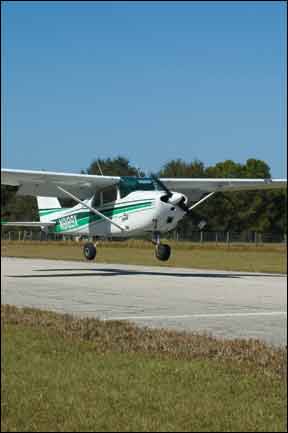
In Aprils "Using Ground Effect," I think the author made an inaccurate and misleading statement concerning the aerodynamics of ground effect. The article wrongly asserts Newtons equal and opposite force has different effects when operating close to the ground as opposed to at altitude. He states, "At altitude, of course, theres no reaction between this downward forced air and the wing because theres nothing against which it can react." If this were true, an airplane wing would not be able to fly when at altitude and only achieve lift when close to the ground.

Key Takeaways:
- The article clarifies that ground effect is primarily caused by a reduction in induced drag, not a fundamental difference in how aerodynamic forces operate near the ground versus at altitude.
- Updating aircraft databases is considered preventive maintenance under FAR Part 43 and requires a logbook entry and signature, a requirement often overlooked by operators.
- Emphasis is placed on the importance of developing fundamental "meat and potatoes" flying skills, visual awareness, and practicing power-off landings to counteract over-reliance on automation.
- Glider training provides valuable practical skills and confidence for pilots, particularly in handling engine failures and other critical flight situations in powered aircraft.
Key takeaways sponsored by Aviator Pro | Start Your Training ->
See a mistake? Contact us.

