











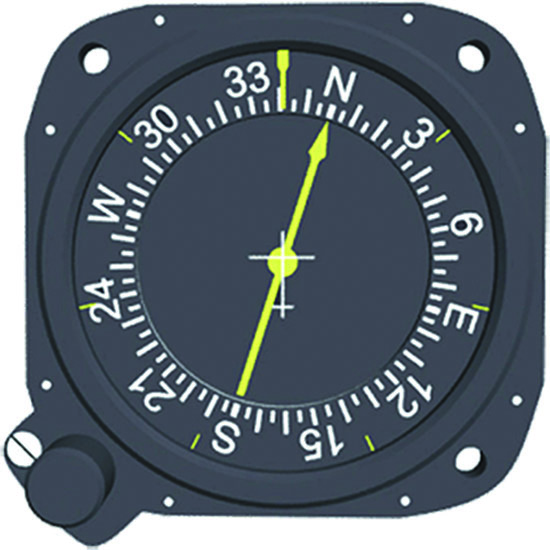


A Twitter acquaintance recently posted a link to a Cessna 172N Skyhawk that was for sale. His comment had to with the Apollo 618 Loran C navigator and ADF receiver the airplane still had in it: “Why would you choose to list a Loran and an ADF in your aircraft sale description?“ It’s a good question, and Exhibit A that the airplane hadn’t spent much time in an avionics shop over the last few years. (The U.S. Coast Guard shut down its Loran C transmitters in 2010.) The Skyhawk did have an ADS-B Out installation, however, so its owner did know newer technologies exist. Why didn’t the owner have the Loran and/or ADF removed when ADS-B was installed?
It’s a good question. Many pilots today haven’t flown with an ADF, which started going out of style in the 1990s when the FAA decreed GPS was a legal substitute for NDBs under certain conditions. For both Loran and ADF receivers/NDB transmitters, the end came with neither a bang nor a whimper. One day the industry woke up and decided we didn’t need them any more, something certainly true for Loran. (That said, newer Loran technologies might be a good backup to GPS if they were implemented.) Since then, GPS has been the go-to navigation system, and the FAA is well on its way to implementing its minimum operational network of VORs throughout the U.S.

