













Register

Old School, New School

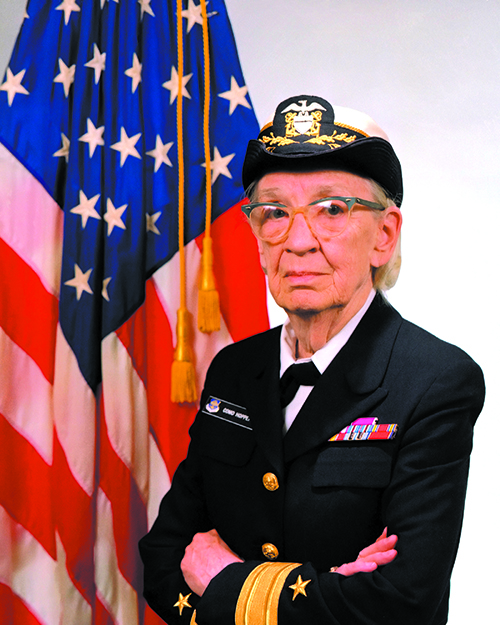
Rear Admiral (then Commodore) Grace M. Hopper, 1984
Gemini Sparkle

Key Takeaways:

  • Recent GPS outages have revealed a decline in pilots' ground-based navigation skills, highlighting the importance of the FAA's Minimum Operating Network (MON) plan to ensure navigation via traditional VORs and ILS/LOC approaches during GPS failures.
  • The author argues that practicing ground-based navigation, like engine-failure drills, is a crucial skill to maintain for the low-probability but high-impact event of a GPS outage.
  • Pilots should deliberately practice ground-based approaches (ILS, VOR) without GPS, focusing on the setup ("buttonology") and system management, rather than just the flying, to ensure readiness.
See a mistake? Contact us.

Admiral Grace Hopper was an amazing person, well known for her contribution to modern computing. Less well known than her famous nanoseconds (look it up), she was fond of saying that “because we’ve always done it that way” was never a valid reason for anything. I’ve long tried to head that guidance.

Last month, our article “Are You Ready for MON?” described the FAA’s plans to get around in a persistent GPS failure. The National Airspace System is retiring a lot of VORs, but will retain some critical VORs and ground-based instrument approaches—the Minimum Operating Network—with the idea that without GPS we’ll still be able to navigate to one of those MON airports (not necessarily where we’re going) and fly a VOR, LOC, or ILS approach.


Ready to Sell Your Aircraft?

List your airplane on AircraftForSale.com and reach qualified buyers.

List Your Aircraft
AircraftForSale Logo | FLYING Logo
Pilot in aircraft
Sign-up for newsletters & special offers!

Get the latest stories & special offers delivered directly to your inbox.

SUBSCRIBE