














NTSB Issues Deicing Safety Alert

The directive also warns that ice buildup on pitot tubes can lead to instrument failure, impacting readings for airspeed, altitude, and vertical speed.

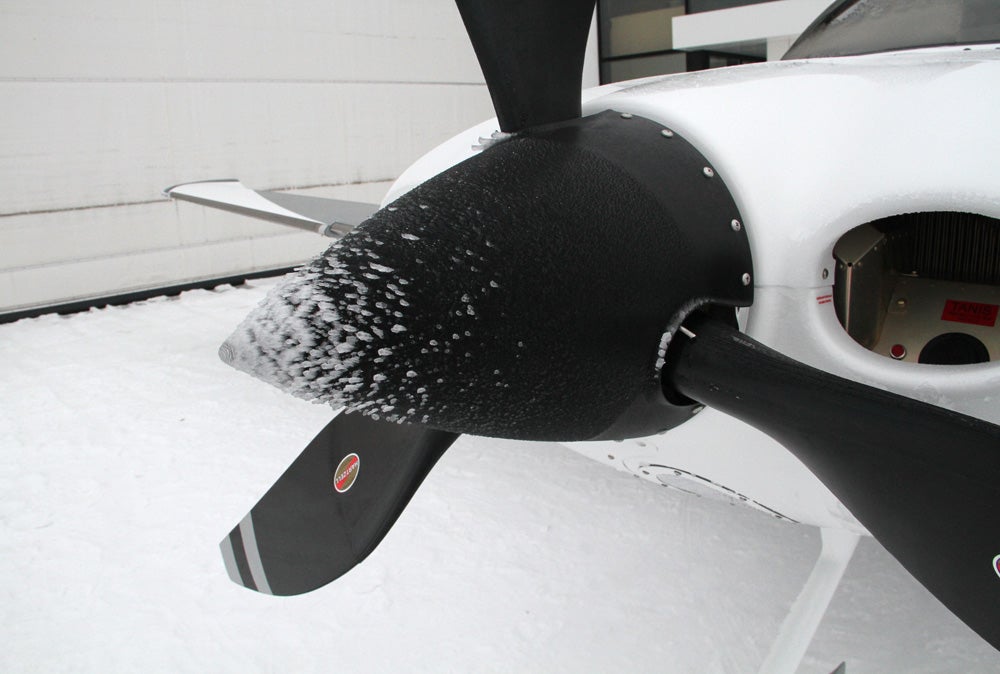
The NTSB safety alert warned of the dangers of flying in icing conditions, and the adverse effects of airframe and propeller icing on aircraft performance. [FLYING file photo]
Gemini Sparkle

Key Takeaways:

  • The NTSB issued Safety Alert SA-097 to remind pilots of the severe dangers of icing, which can significantly degrade aircraft performance, increase stall speed, and lead to instrument failure.
  • The alert clarifies that modern deicing boots (post-1960 aircraft) are not prone to "ice bridging," advising pilots to activate them promptly at the first sign of ice accumulation.
  • Pilots are strongly urged to adhere to their aircraft's operating handbooks for specific deicing procedures, as non-compliance has been a factor in past accidents involving loss of control.
See a mistake? Contact us.

As winter approaches, the National Transportation Safety Board (NTSB) has issued Safety Alert SA-097, reminding pilots about the dangers of flying in icing conditions—namely the adverse effects of airframe and propeller icing on aircraft performance.

SA-097 emphasized that “as little as 1/4-inch of wing-leading edge ice accumulation can increase the stall speed by 25 to 40 knots and cause sudden departure from controlled flight.”


The alert also warned that ice buildup on pitot tubes can lead to instrument failure, impacting readings for airspeed, altitude, and vertical speed.

The NTSB acknowledged that some pilots have been taught to wait for a certain amount of ice to accumulate on the leading edges before using deice boots due to concerns about ice bridging. However, the FAA’s recent tests show that modern deicing boots, from aircraft manufactured after 1960, are not prone to ice bridging.

The agency warned that performance issues may arise if deice boots are not engaged promptly when icing begins and advises pilots to refer to their operating handbooks for specific procedures on boot activation and use.

The alert also cited several accidents where failure to follow operating handbook instructions led to in-flight loss of control, underscoring the critical importance of adhering to recommended deicing practices.


Editor’s Note: This article first appeared on AVweb.

Amelia Walsh

Amelia Walsh is a private pilot who enjoys flying her family’s Columbia 350. She is based in Colorado and loves all things outdoors including skiing, hiking, and camping.

Ready to Sell Your Aircraft?

List your airplane on AircraftForSale.com and reach qualified buyers.

List Your Aircraft
AircraftForSale Logo | FLYING Logo
Pilot in aircraft
Sign-up for newsletters & special offers!

Get the latest stories & special offers delivered directly to your inbox.

SUBSCRIBE
