











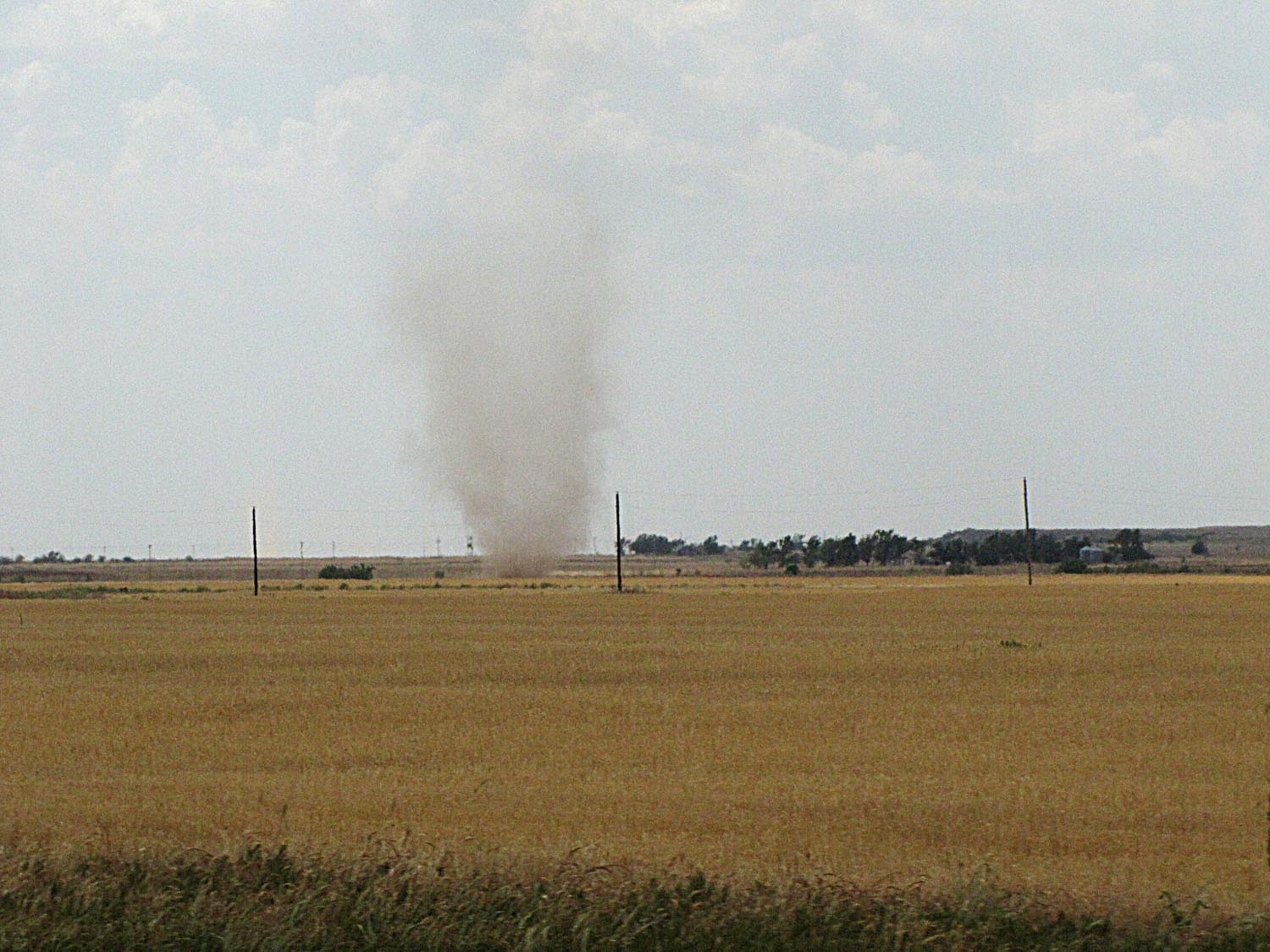


A new Safety Alert from the NTSB warns pilots, especially those flying small aircraft, of the “significant hazards to aviation” that dust devils present. According to the Board, dust devils “have been present in more than 170 accidents” investigated by the NTSB since 1982.
The National Oceanic and Atmospheric Administration (NOAA) says a dust devil is a “small, rapidly rotating wind that is made visible by the dust, dirt or debris it picks up. Also called a whirlwind, it develops best on clear, dry, hot afternoons.” The risk to aviation safety they pose comes from their spiraling updrafts.

Why issue a safety alert about a common phenomenon? The NTSB noted that FAA literature and guidance, such as the Aviation Weather Handbook (FAA-H-8083-28) and the Aeronautical Information Manual, have “limited information on dust devils and the potential hazards associated with them. Pilots might underestimate or be unaware of the threats these phenomena can introduce during flight operations.”
According to the Safety Alert (SA088, dated December 2023), “Dust devils, also referred to as whirlwinds, can occur under clear skies and warm conditions, especially in areas with flat terrain, and can be as strong as tornadoes and waterspouts. They typically form in areas of strong surface heating, such as between different surface types like asphalt or dirt.
“Given their often invisible nature (unless they pick up dust and debris), dust devils pose a risk of sudden and unexpected turbulence for pilots and aircraft, which may lead to rapid loss of lift, uncommanded roll or yaw, or other disturbances.”
And they can be much larger than a simple dust eddy you might see on a hot, dry afternoon. According to the National Weather Service, “Typical diameters of dust devils range from 10 to 300 feet, with an average height of approximately 500 to 1000 feet. In most locations, dust devils typically last only a few minutes before dissipating. Although, in deserts typical of northern Arizona, dust devils can reach heights of several thousand feet and last on the order of an hour or more. Wind speeds in larger dust devils can reach 60 mph or greater. Even though they are generally smaller than tornadoes, dust devils can still be destructive as they lift dust and other debris into the air.”
The NTSB also put together a video component to this Safety Alert. It and other safety-related content is available online at the Board’s YouTube page: YouTube.com/NTSBgov. Scroll down to “NTSB General Aviation Safety Alert Videos.”
Hartzell Aviation Offers Type-Specific Training Videos with FAASTeam
One aspect of training pilots often overlook is the opportunity to learn more about the aircraft they’re flying. With the release of a new set of videos from Hartzell Aviation, that just got a bit easier. Hartzell, widely known for its propellers, has been expanding lately and now offers a range of products, including heating solutions from Janitrol Aero and Tanis, plus accessories from Plane-Power and Sky-Tec, as well as exhaust and engine mount welding services.
The company’s new video series covers a variety of Hartzell products installed on four popular aircraft: Cirrus SR22T, Beech Bonanza, Piper Seminole and Van’s RV-8. The Hartzell Aviation videos are free online, and each qualifies for FAA credit when logged into and enrolled in the FAASafety.gov website after successfully completing the course material.
A variety of Hartzell Aviation products are discussed in the safety maintenance training videos, including starters, belt- and gear-driven alternators, propellers and exhaust systems, plus turbochargers, wastegates and controllers.
Preflight and inspection tips in the videos include checking propeller-blade play and how single-engine aircraft derive cabin heat from the engine exhaust system. Completion of the series familiarizes pilots/owners with their airplane and contributes to FAASTeam credits.
FAA Releases Revised ACS Guidance, CFI ACS
The FAA on April 1, 2014, published its long-awaited final rule revising its existing airman certification standards (ACS). The new rule, effective May 31, incorporates by reference existing Airman Certification Standards (ACS) and Practical Test Standards (PTS), bringing them into the agency’s regulations through the proper process required by the federal Administrative Procedure Act (APA).
Beginning May 31, 2024, applicants for the flight instructor certificate and associated ratings will be taking their checkrides under the new standards but, the FAA assures us, “there are no major substantive changes to the testing standards already in use or the conduct of the practical test.”
The new final rule is the latest in the series of revised checkride guidance from the FAA, which began in 1016 with the private pilot certificate. The ACS adds the aeronautical knowledge and risk management elements needed to support each task during a checkride.
