














NTSB: ‘Chemical Smell’ Prompted Frontier A321 Emergency Landing

Flight crew said the odor increased in intensity, later describing it as 'burning rubber and/or petroleum products, such as plastics.'

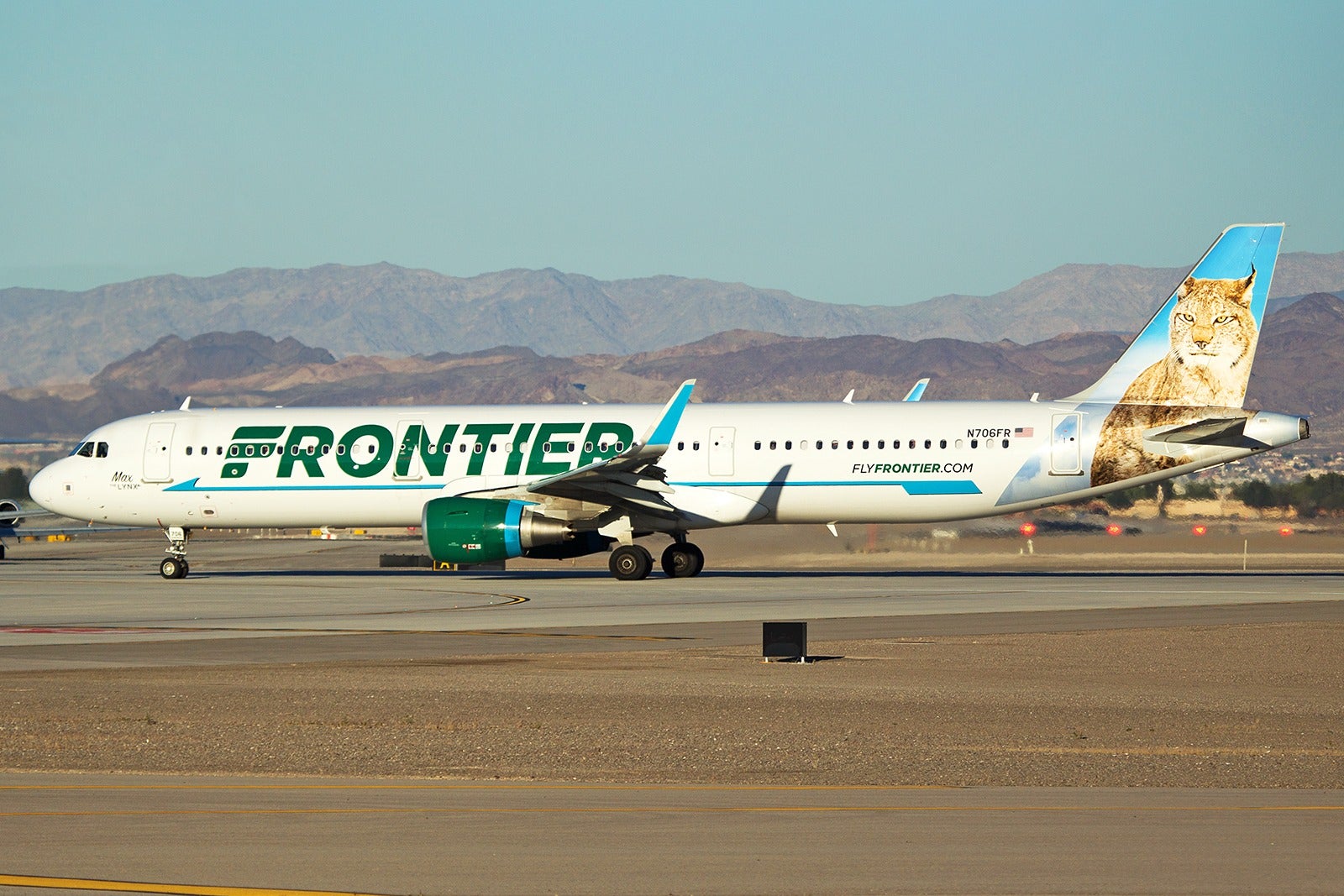
A Frontier A321 in Las Vegas [Credit: AirlineGeeks | William Derrickson]
Gemini Sparkle

Key Takeaways:

  • A Frontier Airbus A321 made an emergency landing in Las Vegas after its crew detected an escalating unidentified chemical and burning odor throughout the aircraft.
  • The crew initiated emergency procedures, including donning oxygen masks and entering an electrical emergency configuration which led to communication difficulties during descent.
  • Upon landing, the aircraft experienced tire explosions and a reported engine fire, with NTSB flight data later revealing a fault in an avionics bay cooling fan; all 197 occupants were uninjured.
See a mistake? Contact us.

A Frontier Airbus A321 made an emergency landing on October 5 in Las Vegas after crewmembers detected an unidentified odor, the National Transportation Safety Board said in a preliminary report Monday.

The odor was initially noticed by the cabin crew, which described it as a “chemical smell” that was unidentifiable, the agency stated. Flight attendants reported the smell—which was only detected in the forward portion of the cabin—to the pilots before they noticed a similar odor.


Frontier Flight 1326 was operating between San Diego and Las Vegas at 29,000 feet when the odor was first detected. The pilots later noticed the chemical, mildew-like smell in the flight deck.

According to the NTSB, the flight crew said the smell increased in intensity, later describing it as “burning rubber and/or petroleum products, such as plastics.”

The crew put on oxygen masks and began a smoke and fumes checklist. An emergency was declared and the crew began to descend toward Las Vegas.

With no smoke present in the cockpit or cabin, the crew opted to place the aircraft into an electrical emergency configuration, which limits various systems, including first officer-side displays and radios. The crew struggled to communicate with air traffic control as a result, instead using the aircraft’s No. 1 transponder to acknowledge instructions.

The A321 landed on Runway 26L and was met by emergency vehicles. A nearby witness heard “two loud bangs in quick succession as the tires exploded about three seconds after touchdown. Then there was a large screen of smoke behind them and fire around the tires.”

Initial reports from airport fire crews stated that there was a fire on the aircraft’s No. 2 engine, which was extinguished. But the crew received no such indication, the report said.

The NTSB noted that flight data showed a fault on one of the fans that cool the avionics bay. None of the 197 passengers and crew were injured, and the aircraft remains out of service.


Editor’s Note: This article first appeared on AirlineGeeks.com.

Ryan Ewing

Ryan is Sr. Director of Digital for Firecrown's Aviation Group. In 2013, he founded AirlineGeeks.com, a leading trade publication covering the airline industry. Since then, his work has been featured in several publications and news outlets, including CNN, WJLA, CNET, and Business Insider. During his time in the airline industry, he's worked in roles pertaining to airport/airline operations while holding a B.S. in Air Transportation Management from Arizona State University along with an MBA. Previously, he worked for a Part 135 operator and later a major airline. Ryan is also an Adjunct Instructor at Embry-Riddle Aeronautical University.

Ready to Sell Your Aircraft?

List your airplane on AircraftForSale.com and reach qualified buyers.

List Your Aircraft
AircraftForSale Logo | FLYING Logo
Pilot in aircraft
Sign-up for newsletters & special offers!

Get the latest stories & special offers delivered directly to your inbox.

SUBSCRIBE
