

![Looking toward Mount Rainier [Credit: Meg Godlewski]](https://www.flyingmag.com/wp-content/uploads/2026/01/Screenshot-2026-01-02-at-11.57.23-AM.png)


Is flying more one of your New Year’s resolutions? Or are you looking to begin flight training or perhaps add to your aviation ratings and certificates? Or maybe you’d like to be more involved in aviation, but time and resources are in short supply.
As the saying goes, “Where there is a will, there is a way,” so FLYING has nine ways to help you keep this promise to yourself.
1. Be Online for Aviation
Partake of online courses offered by aviation organizations such as the Aircraft Owners and Pilots Association, National Association of Flight Instructors, Society of Aviation and Flight Educators, The Ninety-Nines, and, of course, FAA Safety Teams (FAASTeam) events.
The FAASTeam topics range from aircraft-specific performance to tips for flying at nontowered airports to preparing for a flight review. All you need to participate is often internet access via smartphone or laptop.
If you are already a pilot, you may be on the mailing list of one of the organizations and receive an invitation to the event. They are usually no longer than an hour and often allow you to qualify for FAA WINGS credit, which can help lower the cost of your aviation insurance.
2. Aviation Podcasts
There’s no shortage of aviation-themed podcasts online, covering everything from accident analysis to improving pilot decision-making skills. Aviation insurance provider Avemco sponsors two of these monthly podcasts.
The Schiff Show is presented by airline captain and master educator Brian Schiff and airs at 7 p.m. CT on the second Thursday of each month. The topics discussed include common accident causes such as fuel exhaustion along with training tips for pilots of all levels.
A new program, On Second Thought (OST), premieres on Tuesday, January 20, at 7 p.m. CT. The podcast is a livestream aviation safety video that focuses on human factor behaviors to identify why pilots continue to make the same poor decisions that put them and their passengers in danger and bend airplanes.
OST is hosted by psychologist and aviation speaker Jolie Lucas and educator Harvey Madison and produced by John Teipen. The series is designed to help pilots develop their aeronautical decision-making skills.
3. Fly With a Buddy Twice a Month
If you already possess an active pilot certificate, commit to flying at least twice a month. Find a flying buddy and split the aircraft rental and/or cost of fuel and get into the sky for at least an hour. Shoot approaches for currency and proficiency.
Pro tip: Write this resolution down on paper and put it someplace you will see it daily, like on the refrigerator or bathroom mirror, as there is something about doing this that tends to make resolutions stick.
4. Attend Airport Social Gatherings
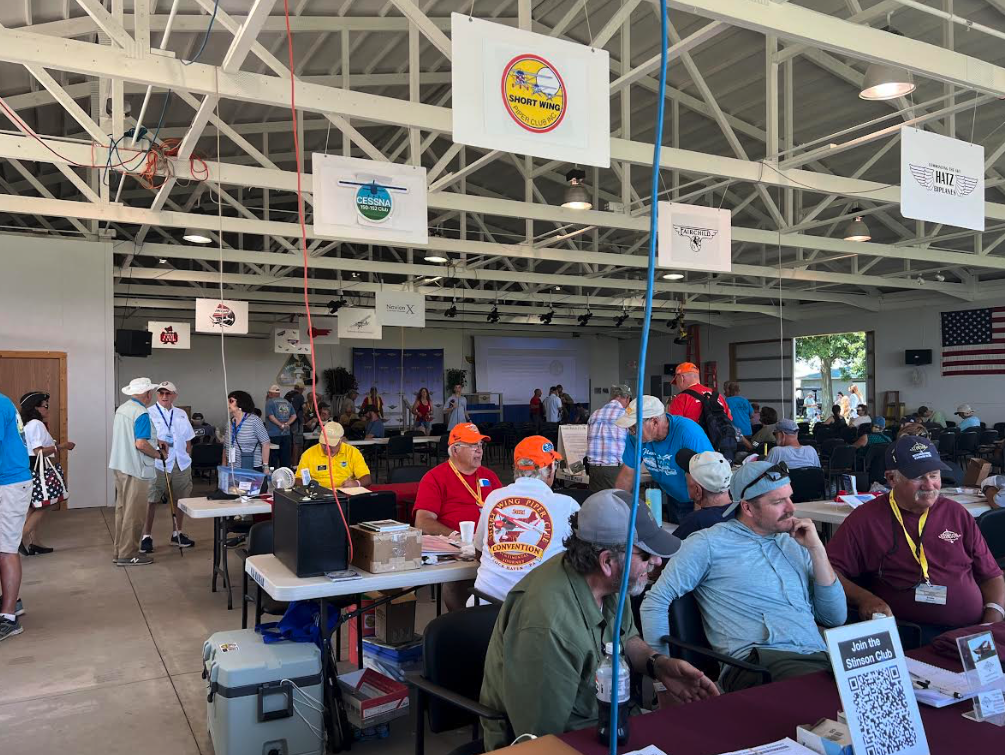
Drop in to the Saturday coffee and donuts “hangar flying” session at least once a month, or attend an event sponsored by the local EAA chapter—even if you’re not a member. You may become inspired and meet a mentor—or become one.
5. Plan for Next Certificate or Rating
Failure to plan is often a plan to fail, so create one of action to get your instrument rating, tailwheel, commercial or drone certificate, etc.
Look up the experience requirements in the FAR/AIM, research local schools that can provide the training, and determine the cost—then add 10 percent just to be safe. It may take you the better part of a year to get the money together, but it is a step in the right direction.
6. Research Scholarships to Pay for Training
News flash: You do not have to be of traditional school age to earn an aviation scholarship. There are some out there for working adults.
These are often provided by state and local aviation organizations. You may think you are a long shot when you apply, but if you don’t apply, the answer is automatically no.
7. Study for Flight Review
It may be 23 months away, but there’s nothing wrong with reviewing a little bit of the material at a time, at least once a week.
It keeps your head in the game, and even if you are not flying as much as you would like, there is something very satisfying about reviewing the information you committed to learning for a check ride.
8. Volunteer for a Young Eagles Rally
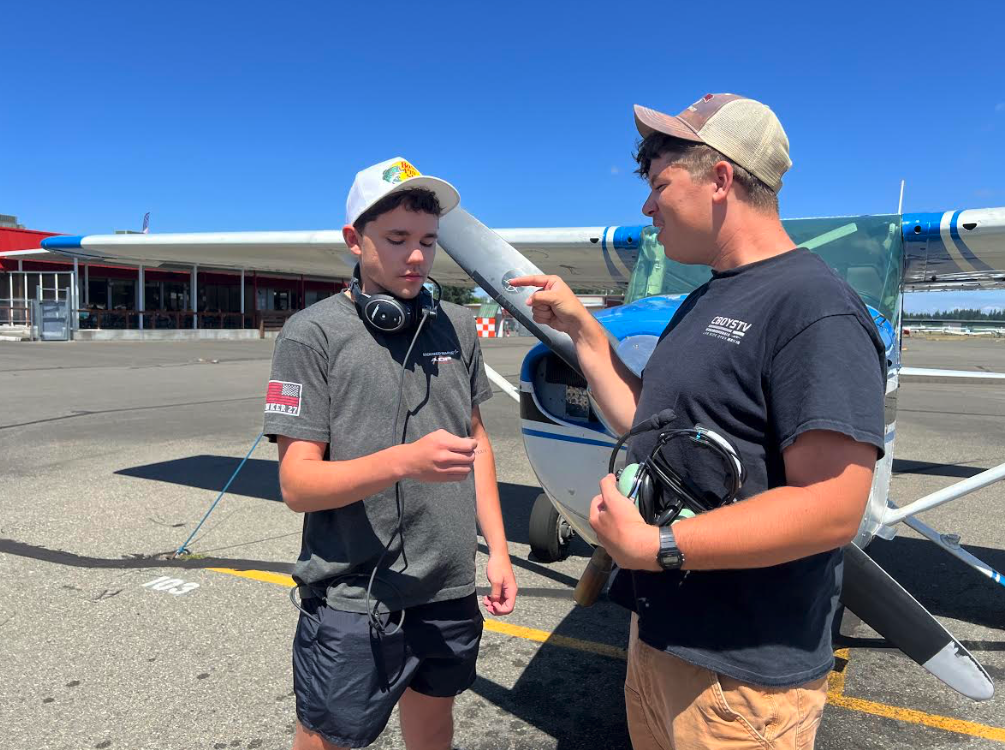
Even if you are not current, volunteer to help out with an EAA Young Eagles rally. If you have the skills, you could help teach an age-appropriate ground school, help the kids put balsa wood gliders together, marshal aircraft, or help with signups.
Being around all that positive energy can be very invigorating.
9. Plan Bucket-List Flight
There has to be some place you’ve always wanted to fly to. If Oshkosh or Sun ’n Fun or the National Championship Air Races are on your list, there is no time like the present to begin planning.
If you’ve already done these, assist another pilot who has such a flight in their bucket-list file.