














Register

Night Flight Challenges Reflected in Data, Says Air Safety Institute

A new report analyzing night flight accidents identifies the top four causal factors.

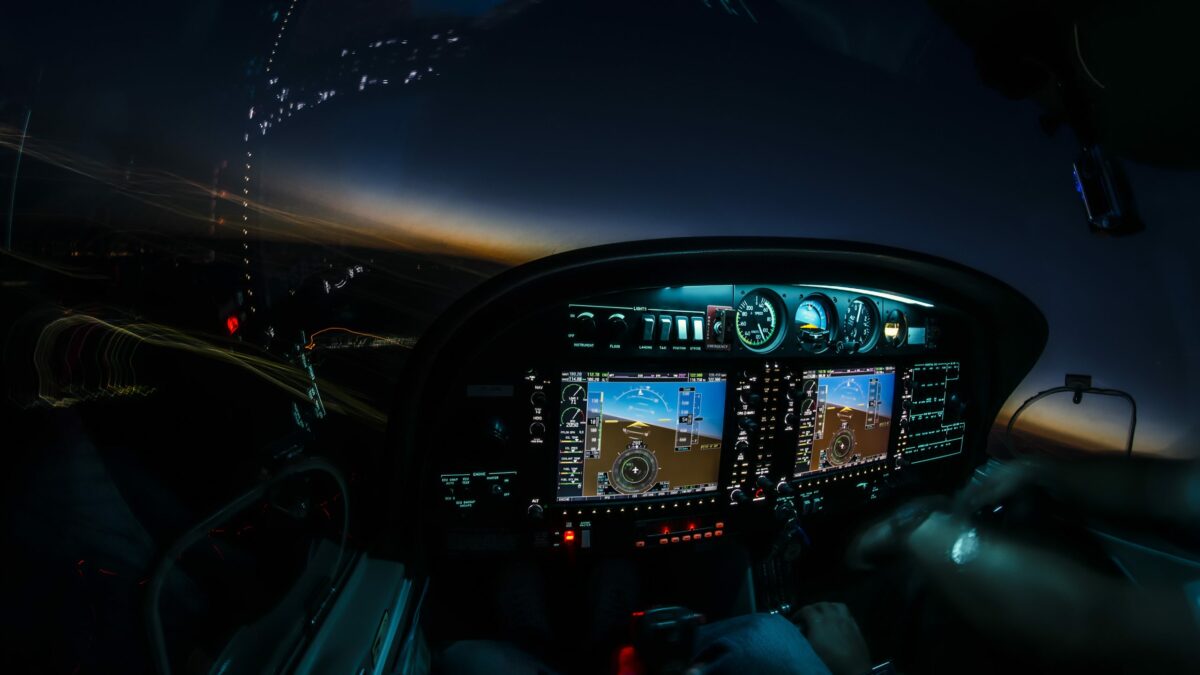
Flying at night presents its own set of challenges that you might not be used to. [Credit: Adobe Stock]
Gemini Sparkle

Key Takeaways:

  • Night flying significantly increases the fatality rate of general aviation accidents, primarily due to pilot behavior and unique challenges like spatial disorientation, rather than changes in aircraft physics.
  • The leading causal factors for night accidents are loss of control in flight (often from spatial disorientation), engine/propeller failure, fuel exhaustion/mismanagement, and loss of control on the ground.
  • Many pilots are "current" but lack "proficiency" for night flight, often getting caught out at night and struggling with reduced visual cues and situational awareness, especially during the en route phase.
  • To mitigate risks, pilots should seek regular, comprehensive night proficiency training with a CFI, focusing on various maneuvers beyond takeoffs and landings, and ensure proper cockpit organization and equipment like red-light flashlights.
See a mistake? Contact us.

The laws of physics do not change when the sun goes down, therefore, the aircraft flies the same at night as it does during the day—it is the pilot that behaves differently. And sometimes, this leads to accidents.

Recognizing that the cloak of night influences the outcome of accidents, the Aircraft Owners and Pilots Association (AOPA) Air Safety Institute (ASI) is offering new analysis of night flight accidents. The purpose  is to identify the causal factors in accidents that occur at night and to help pilots develop strategies to mitigate these factors. The report looks at accidents that happened during night flying from 2017 to 2021. For the purpose of the report, “night is defined as beginning at dusk and ending right before dawn.”


Meg Godlewski

Meg Godlewski has been an aviation journalist for more than 24 years and a CFI for more than 20 years. If she is not flying or teaching aviation, she is writing about it. Meg is a founding member of the Pilot Proficiency Center at EAA AirVenture and excels at the application of simulation technology to flatten the learning curve. Follow Meg on Twitter @2Lewski.

Ready to Sell Your Aircraft?

List your airplane on AircraftForSale.com and reach qualified buyers.

List Your Aircraft
AircraftForSale Logo | FLYING Logo
Pilot in aircraft
Sign-up for newsletters & special offers!

Get the latest stories & special offers delivered directly to your inbox.

SUBSCRIBE
