










Textron Aviation Appoints New CEO Ahead of Planned Restructuring
Brian Rohloff will succeed Ron Draper, who announced his retirement, as company’s chief executive.


Brian Rohloff will succeed Ron Draper, who announced his retirement, as company’s chief executive.
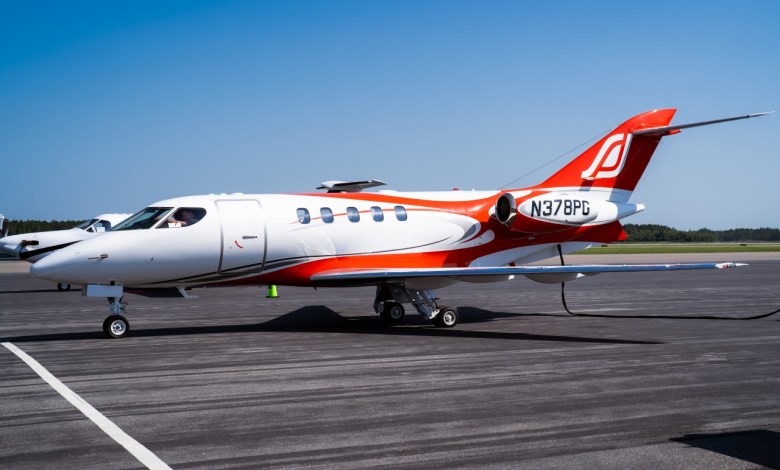
Manufacturer says its SJ30-2 flew from Jacksonville to San Diego at an average speed of 505.3 mph.
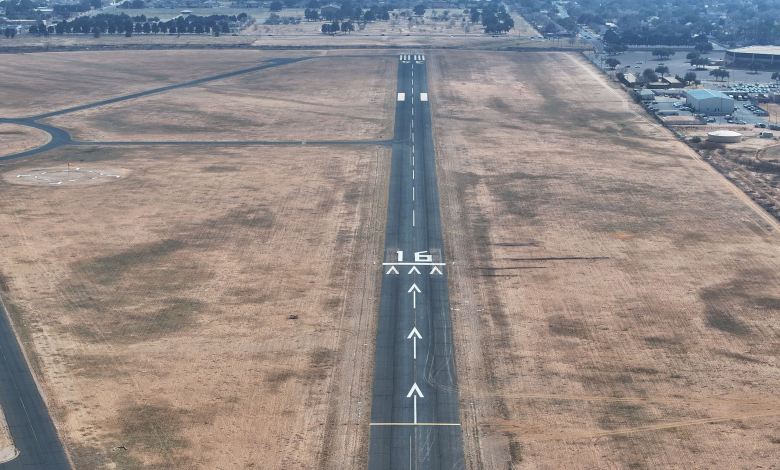
Agency awards $615 million to airports in 42 U.S. states and two territories.
![Max Trescott is a nationally recognized flight instructor, aviation educator, author, and media host. [Credit: Max Trescott]](https://www.flyingmag.com/wp-content/uploads/2026/08/560571363_10234949067961731_1498000108219169201_n.jpg?w=780&h=470&crop=1)
NAFI inducts experienced aviator as its 2026 honoree.
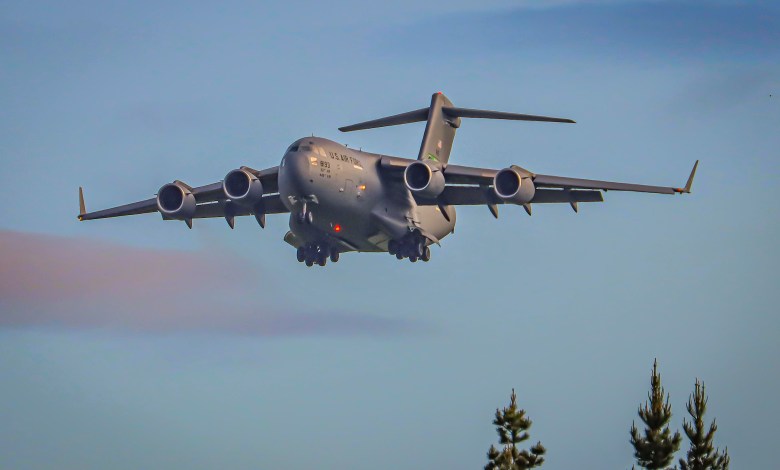
U.S. has supported research missions to the south polar region since the 1950s.
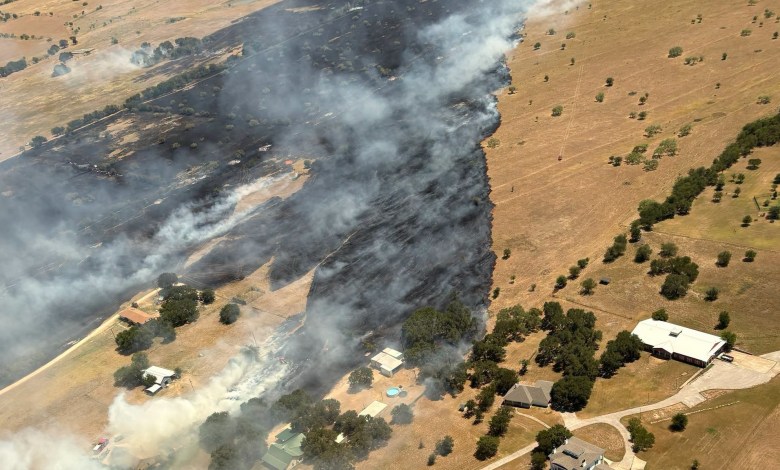
Accident near Fort Hood kills two occupants and sparks a 155-acre fire.

Thales becomes latest company to seek contract for common automation platform, but how will the agency fund it?
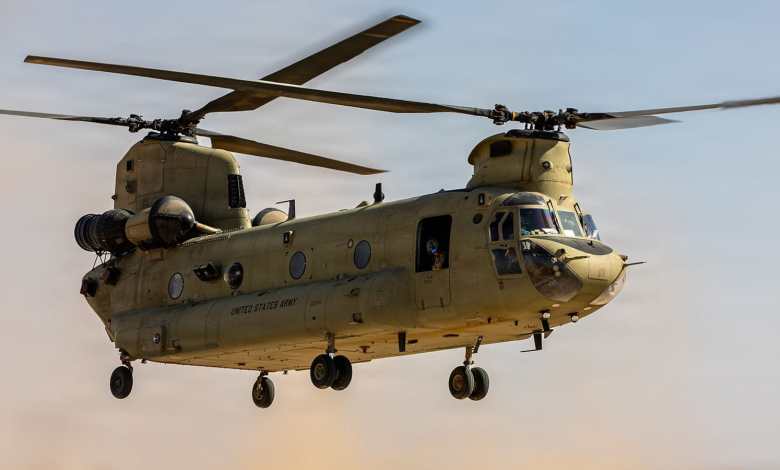
Avionics upgrades will support modernization and sustainment for the branch’s workhorse heavy-lift helicopter.

Transportation Secretary Sean Duffy and FAA Administrator Bryan Bedford share latest progress on the multibillion-dollar effort.
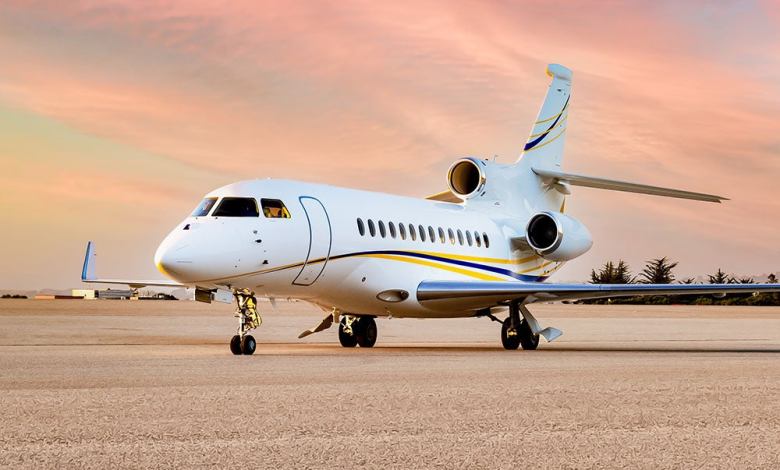
Agreement to buy Clay Lacy’s management and charter businesses would expand its controlled fleet.

Get the latest stories & special offers delivered directly to your inbox.
SUBSCRIBE