













When comparing new personal aircraft to old ones, there are two major developments that stand out to me: Using composite materials to construct airframes and the proliferation of advanced, GPS-driven avionics in their panels. Eventually, these developments will be joined by modern powerplants to truly revolutionize how and what we fly, but the technology and economics for advanced engines aren’t quite there yet. In the meantime, using composites and installing advanced avionics result in aircraft lighter and more efficient than ever, plus they’re easier and safer to fly, thanks to the automation.

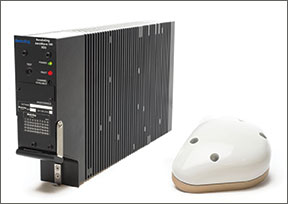
Meanwhile, one of the facts of life in general aviation always has been how cut off from the rest of the world we are when airborne. For me, that’s a feature, not a bug. But for others—especially those who are sitting in the back and paying the bills—it can be a major inconvenience. Thanks in part to airline-passenger demand, the complexity and expense of remaining connected while hurtling through the air is beginning to be accessible aboard even lowly piston singles.

